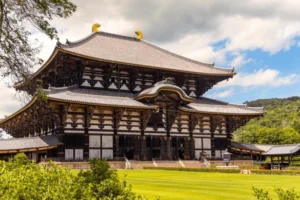
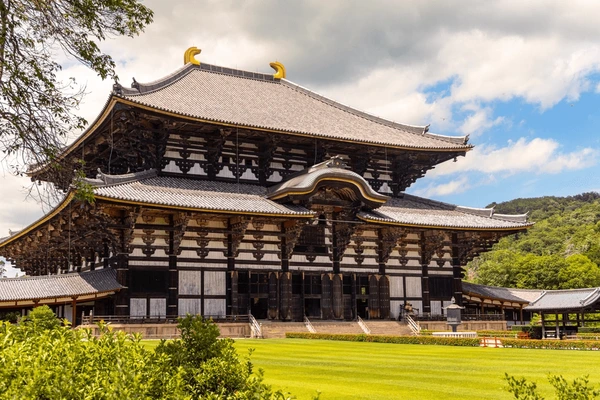
 Todaiji Temple (東大寺, Great Eastern Temple) in Nara is one of Japan’s most iconic Buddhist temples. Founded in 752, it served as the head temple for all provincial temples. Its Daibutsuden, or Big Buddha Hall, was once the world’s largest wooden building, rebuilt in 1692 at two-thirds its original size. Inside stands the massive Daibutsu, a 15-meter bronze statue of Vairocana Buddha, flanked by two Bodhisattvas, making Todaiji a must-visit historic landmark.
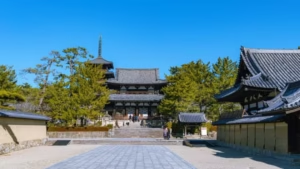
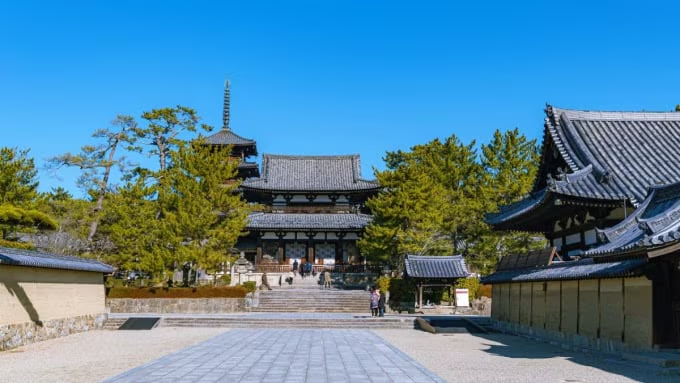
Horyuji Temple (法隆寺) founded in 607 by Prince Shotoku, is Japan’s oldest temple and a key site in the country’s Buddhist history. It houses the world’s oldest surviving wooden structures, showcasing remarkable ancient architecture. Designated a World Heritage Site in 1993, the temple grounds are expansive, divided into the Western Precinct (Saiin Garan) and Eastern Precinct (Toin Garan). Horyuji Temple remains a must-visit destination for history and culture enthusiasts.
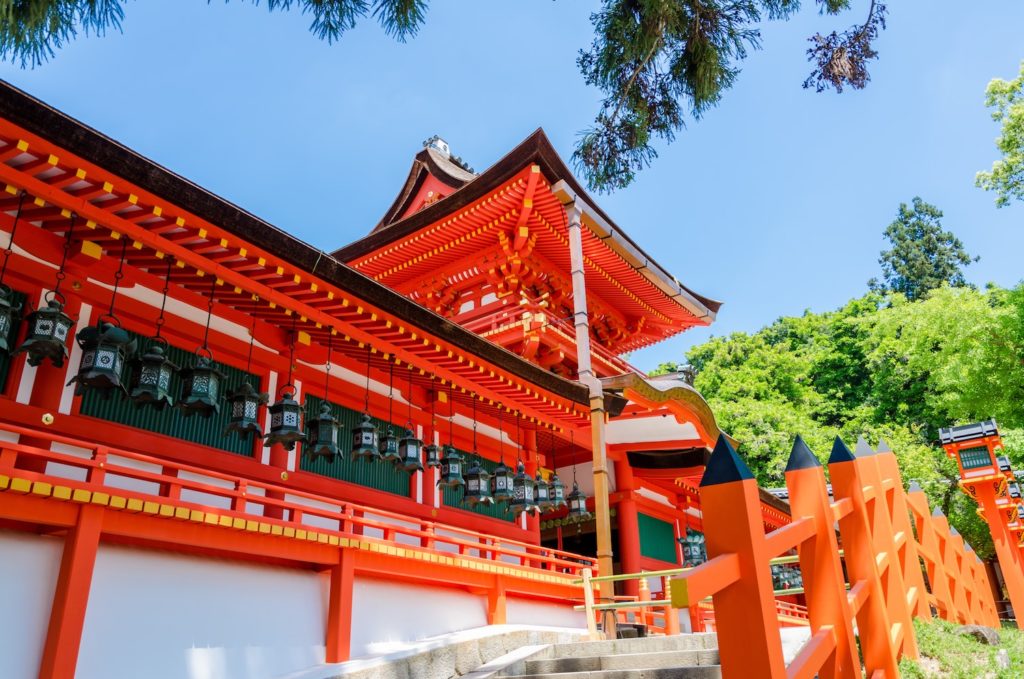
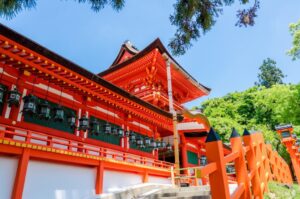 Kasuga Taisha (春日大社), Nara’s most famous shrine, has guarded the city since its founding and served as the spiritual heart of the powerful Fujiwara clan. Known for its distinctive sloping roofs and elegant Kasuga-style architecture, the shrine offers visitors a free offering hall and a paid inner sanctuary for closer exploration. Rich in history, culture, and spiritual significance, Kasuga Taisha is a must-visit destination for anyone exploring Nara.
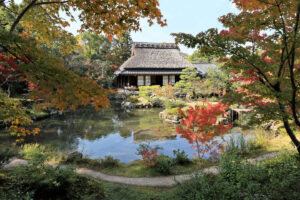
Isuien (依水園) meaning “garden founded on water,” is a beautiful Japanese garden in Nara featuring two sections: the front garden from the mid-17th century and the rear garden built in 1899. Enjoy borrowed scenery of Todaiji Temple’s Nandaimon Gate and Mount Wakakusayama, stroll along the Yoshikigawa River, and relax in traditional tea houses. The on-site museum displays Asian artifacts, including Chinese and Korean pottery, seals, and mirrors, offering a rich cultural experience.
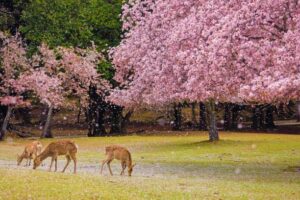
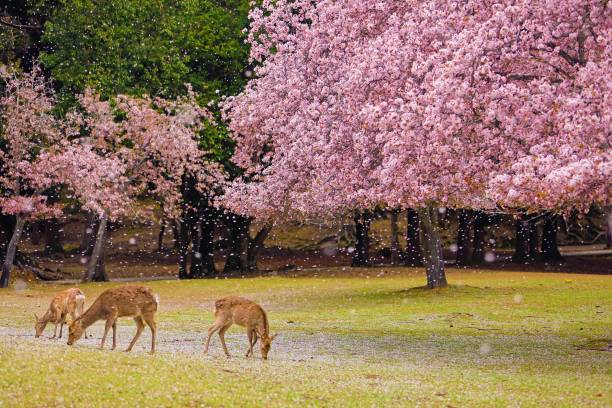
Nara Park (奈良公園) established in 1880, is a must-visit destination in Japan, famous for its over 1,000 friendly deer and cultural attractions like Todaiji Temple and Kasuga Taisha. The sacred deer, recognized as natural treasures, often bow for treats, delighting visitors. Stroll through scenic paths, enjoy historic temples, and experience the park’s peaceful atmosphere. Conveniently located just five minutes from Kintetsu Nara Station, Nara Park is easily accessible for travelers seeking culture and wildlife.
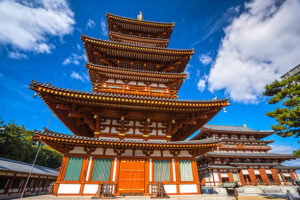
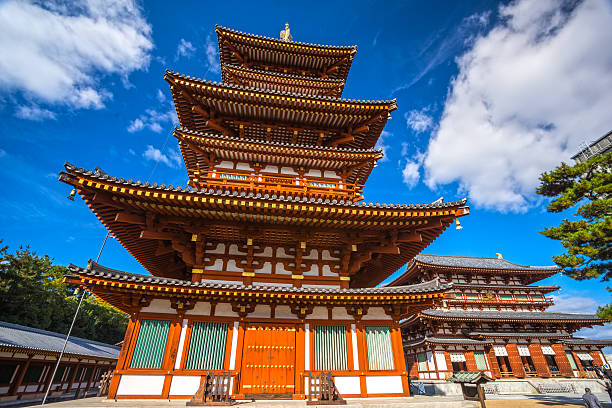
Yakushiji Temple (薬師寺) founded by Emperor Tenmu in the late 7th century, stands as one of Japan’s oldest and most elegant Buddhist temples. Its strikingly symmetrical layout features twin pagodas, though only the East Pagoda from 730 remains original. Nearby, the Genjo-sanzoin Garan complex, completed in 1991, displays Hirayama Ikuo’s vibrant paintings inspired by monk Genjo-sanzo’s journeys. The complex opens to visitors only during limited special periods.

Experience Omizutori (お水取り a 1,250-year-old Buddhist festival held every March 1–14 at Nigatsudo Hall in Nara’s Todaiji Temple. Part of the Shunie rituals, it features the breathtaking Otaimatsu ceremony, where monks wave massive flaming torches over spectators. The falling embers are said to bring good fortune and safety for the year. This ancient spectacle blends faith, fire, and tradition, making it one of Japan’s most moving cultural events.
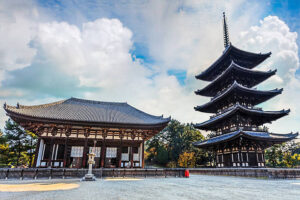
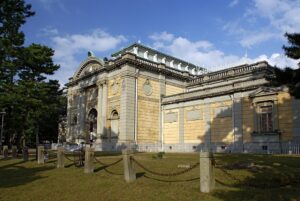
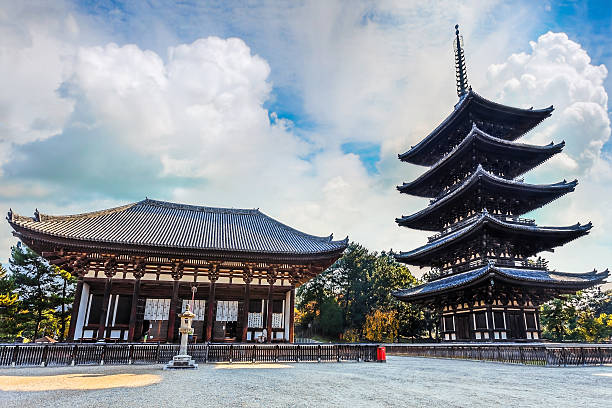
Kofukuji Temple (興福寺) once the Fujiwara clan’s family temple, stands as one of Nara’s most iconic sites. Its elegant five-storied pagoda, Japan’s second tallest, dominates the skyline. Visitors can freely explore the temple grounds or visit paid areas, including the restored Central Golden Hall, Eastern Golden Hall with its Yakushi Buddha, and the National Treasure Museum, home to the famed Ashura Statue—one of Japan’s most beloved Buddhist masterpieces.
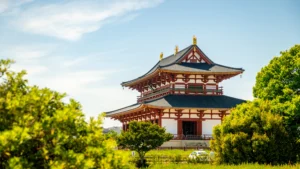
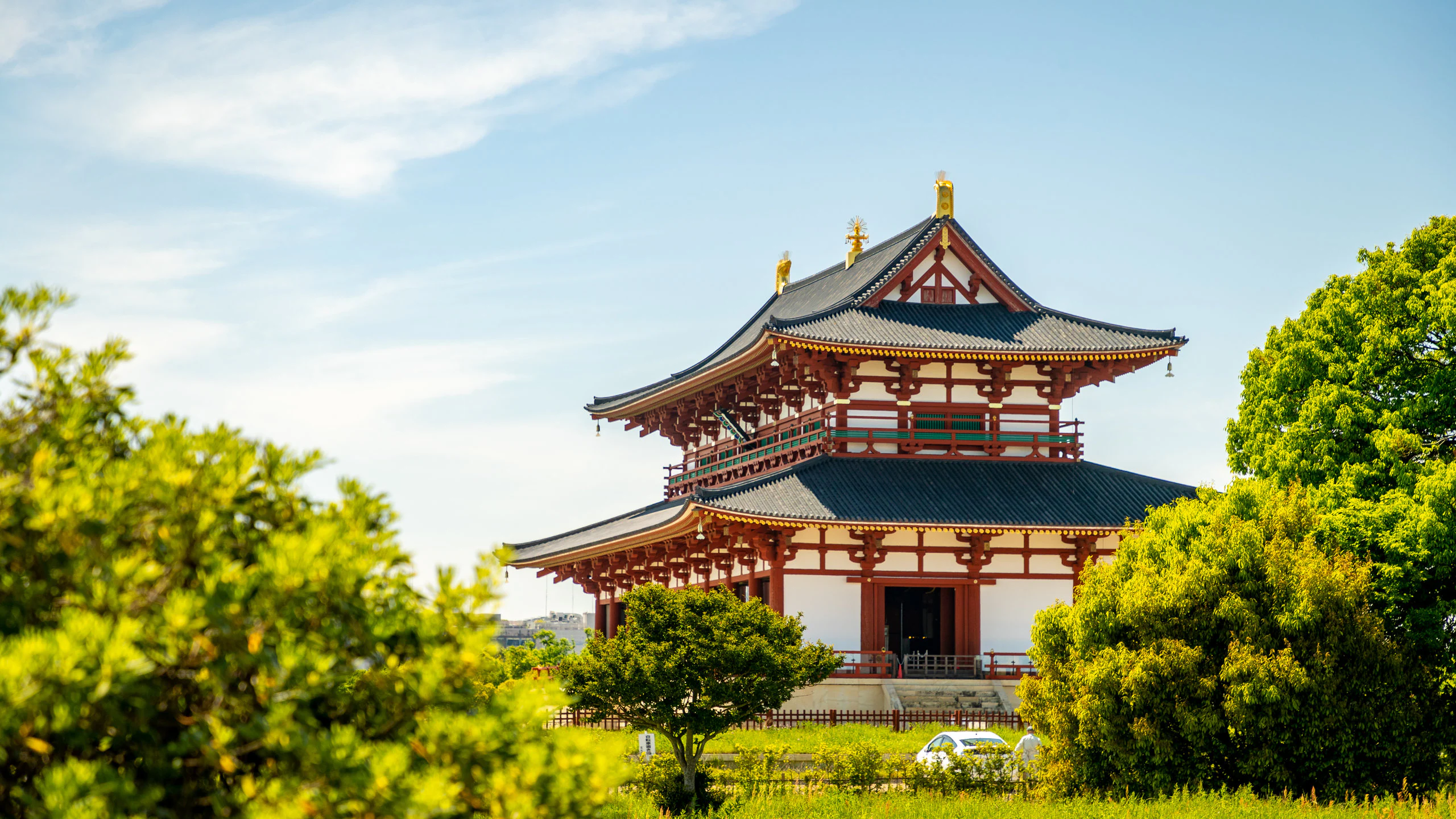
Heijo Palace in Nara served as Japan’s imperial capital from 710 to 784, symbolizing the nation’s early political and cultural development. Now a UNESCO World Heritage Site, the vast palace complex once housed the emperor’s residence and government offices. Excavations since the 1950s have uncovered remarkable artifacts, while reconstructed halls and museums let visitors step back in time to experience the grandeur of ancient Nara’s first capital.


Nara
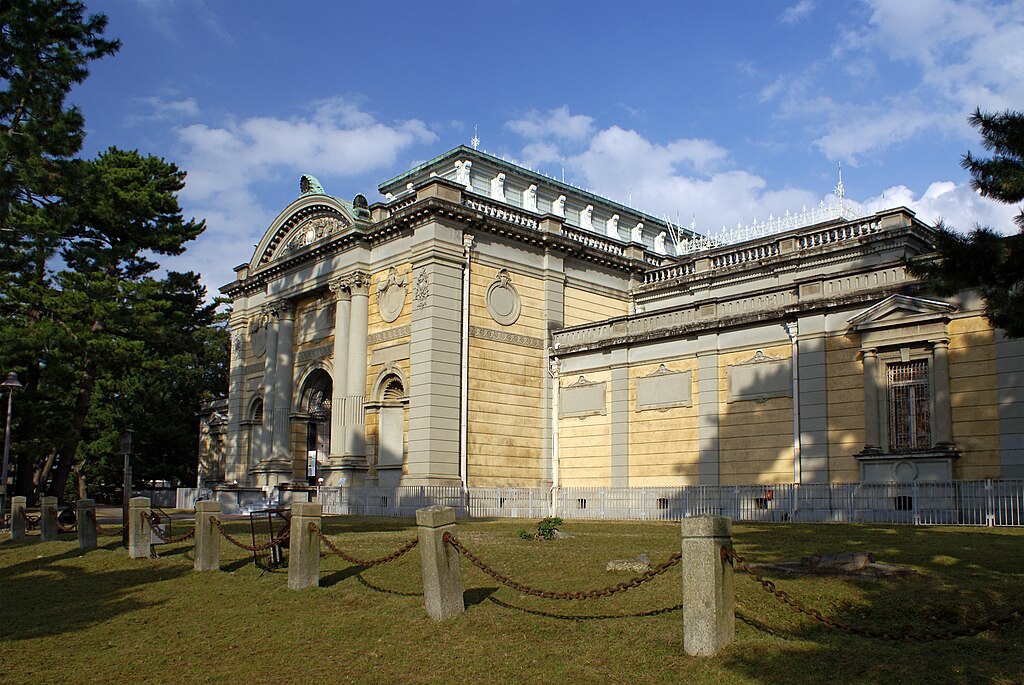
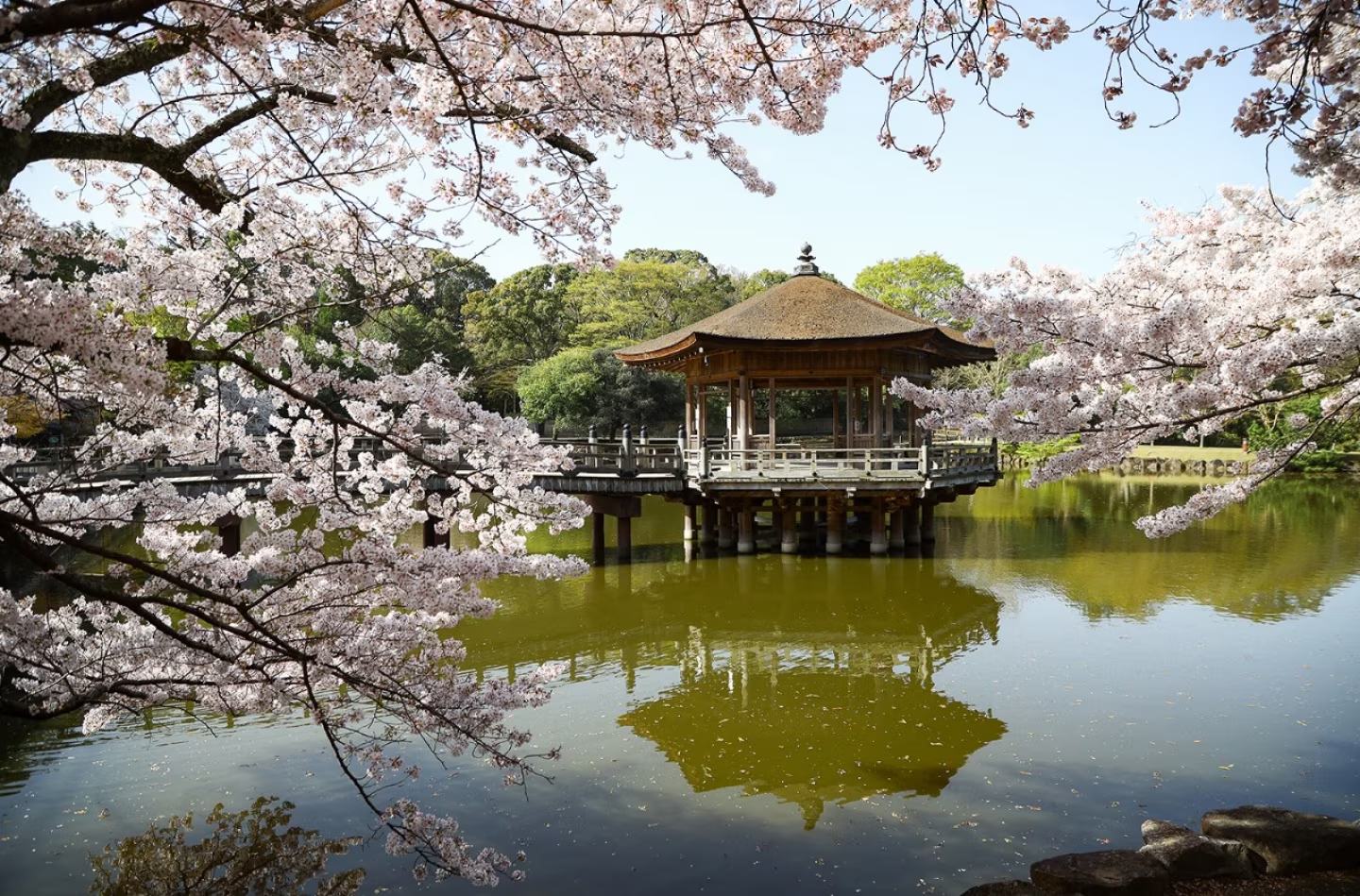
Explore Nara’s historic charm, with iconic temples like Todai-ji, scenic Nara Park with friendly deer, and beautiful shrines and gardens throughout the city.
Nara
Explore Nara’s historic charm, with iconic temples like Todai-ji, scenic Nara Park with friendly deer, and beautiful shrines and gardens throughout the city.