Hiroshima (広島) the vibrant heart of Japan’s Chugoku Region, is a city of resilience and renewal. Known worldwide for its atomic bomb history on August 6, 1945, Hiroshima was almost entirely destroyed, including historic sites like Hiroshima Castle and Shukkeien Garden. Following the war, the city embraced reconstruction, restoring its heritage while creating new spaces of reflection. Today, Peace Memorial Park stands at the city center, honoring lives lost and celebrating hope. Visitors can explore Hiroshima’s rebuilt landmarks, museums, and gardens, experiencing both its powerful history and inspiring journey of recovery—a moving destination that blends remembrance, culture, and life.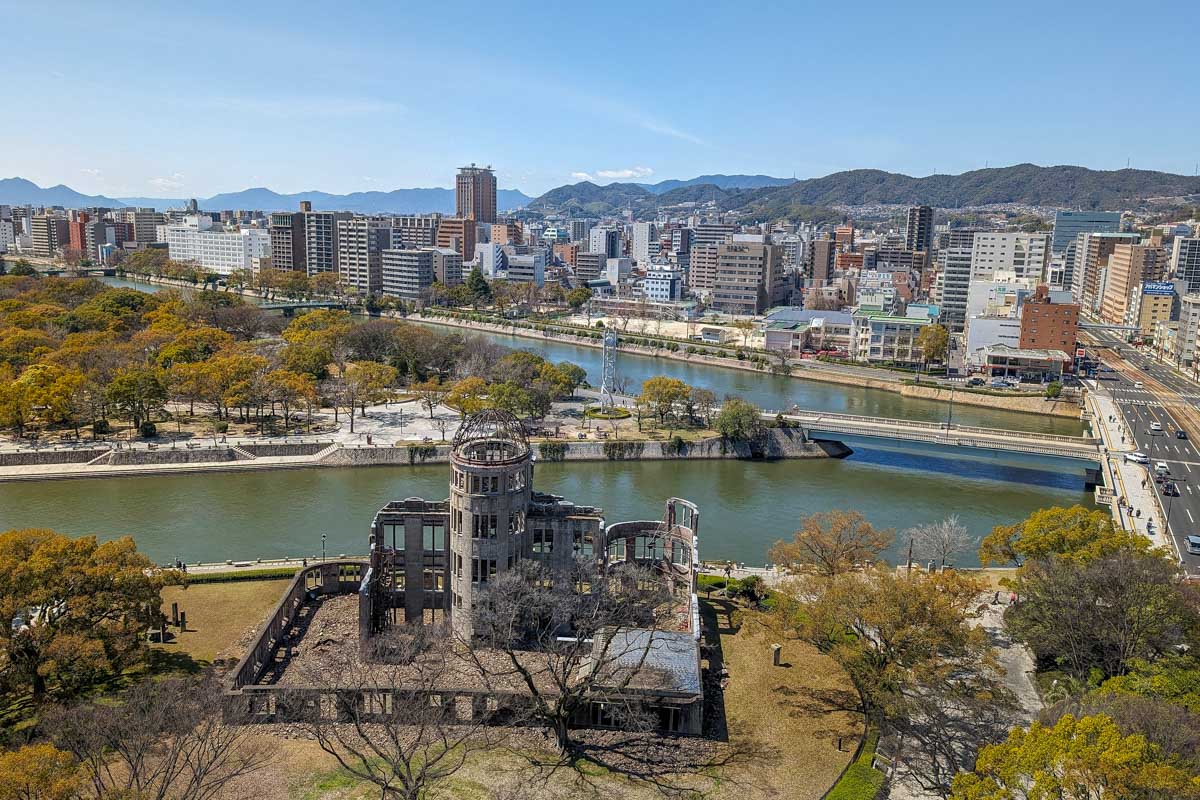
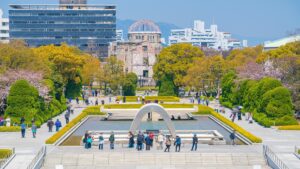
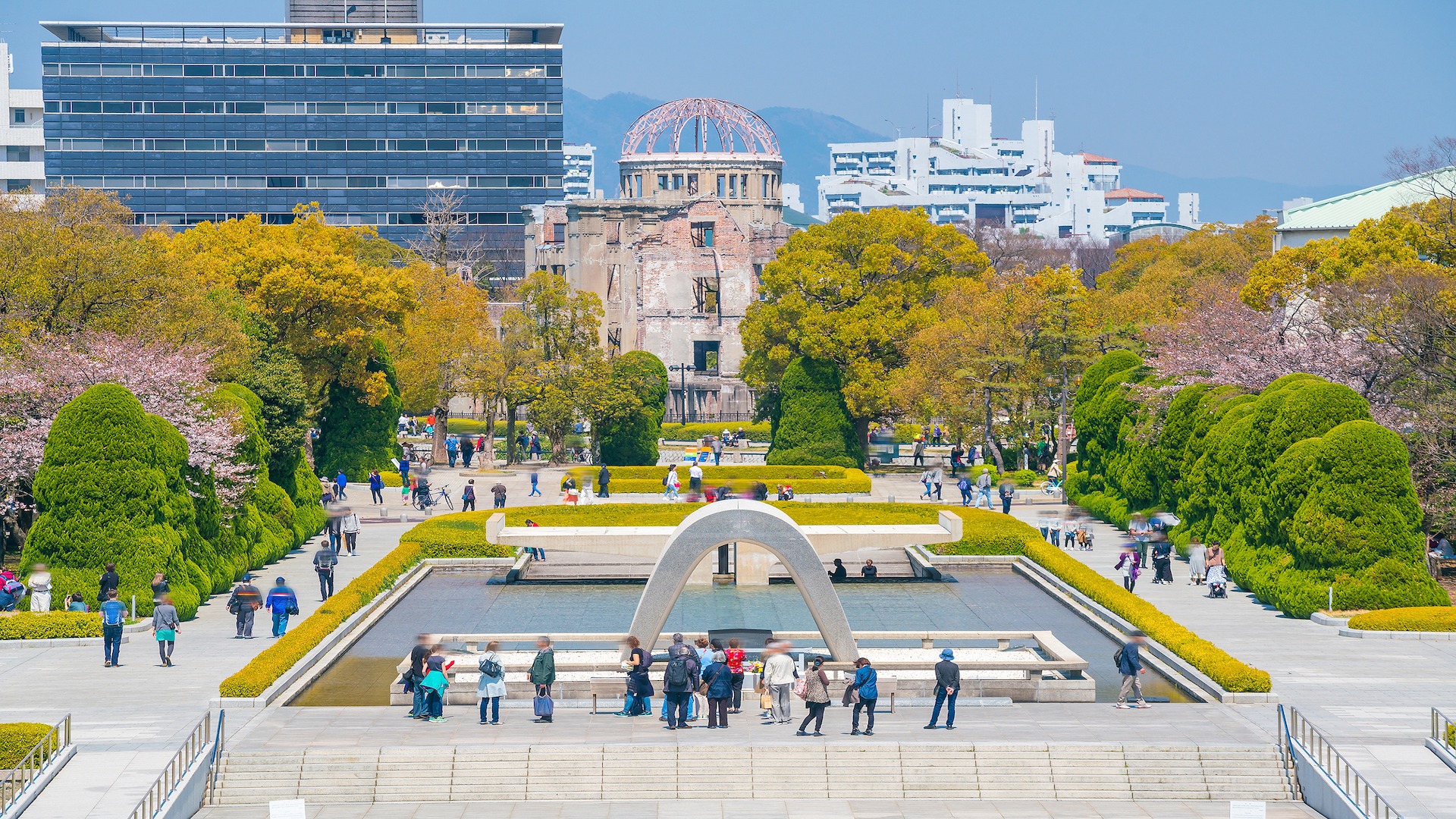
Hiroshima’s Peace Memorial Park (平和記念公園, Heiwa Kinen Kōen) spans over 120,000 square meters, offering a tranquil contrast to the bustling downtown. Once the city’s political and commercial heart, this area was devastated by the atomic bomb in 1945. Four years later, it was transformed into a memorial dedicated to peace and remembrance. Today, visitors can reflect among monuments, museums, and serene landscapes, connecting deeply with Hiroshima’s history while honoring the city’s inspiring journey of recovery and hope.

Hiroshima Castle (広島城) nicknamed Carp Castle, rises in the city center with its iconic five-story keep and surrounding moat. Built in 1589 by feudal lord Mori Terumoto, it served as a powerful seat in western Japan and a hub of Hiroshima’s early economy. Although the castle survived the Meiji Period, it was destroyed during the 1945 atomic bombing and later reconstructed, offering visitors a glimpse into Japan’s rich feudal history.
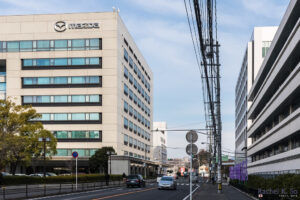
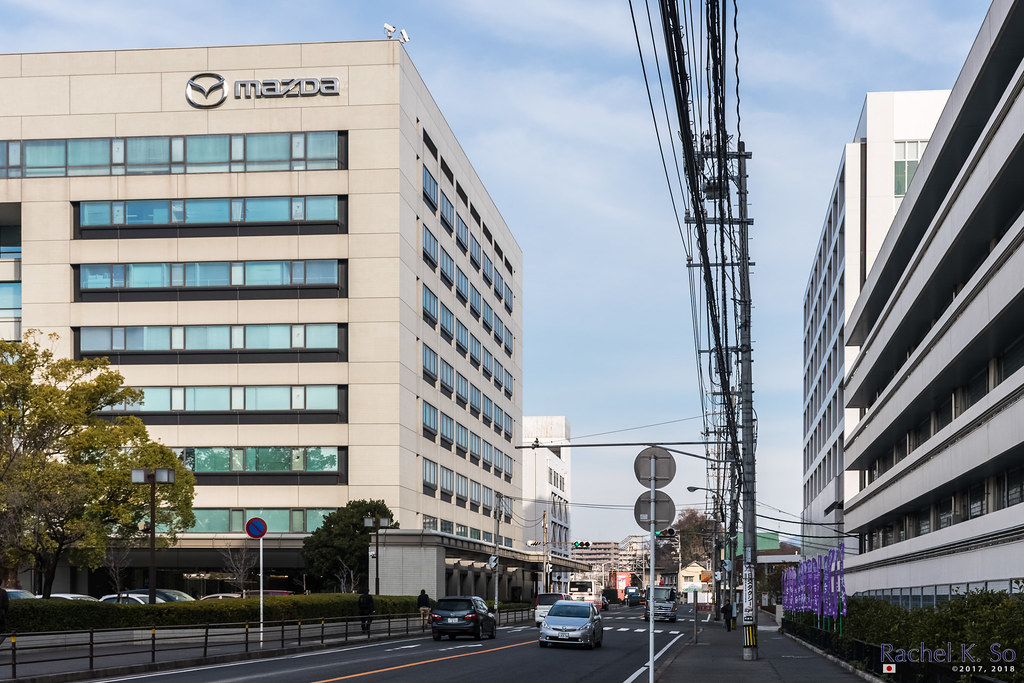
Mazda, founded in Hiroshima in 1920, remains headquartered in its city of origin, shaping the local economy like Toyota does in Nagoya. The company’s coastal facilities host factories, R&D labs, and shipping centers, with a museum and factory tours open to the public. Producing around a million vehicles annually, Mazda is a leader in Japanese automotive innovation, famously becoming the first Japanese company to win the Le Mans Grand Prix in 1991.
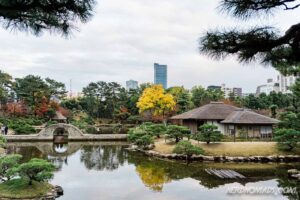
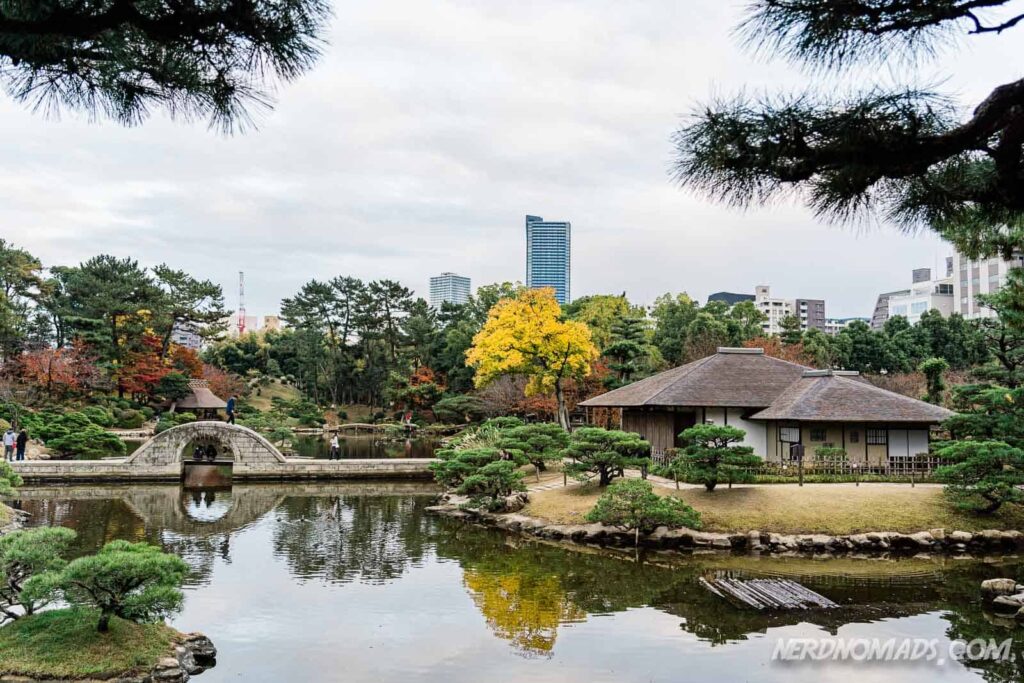
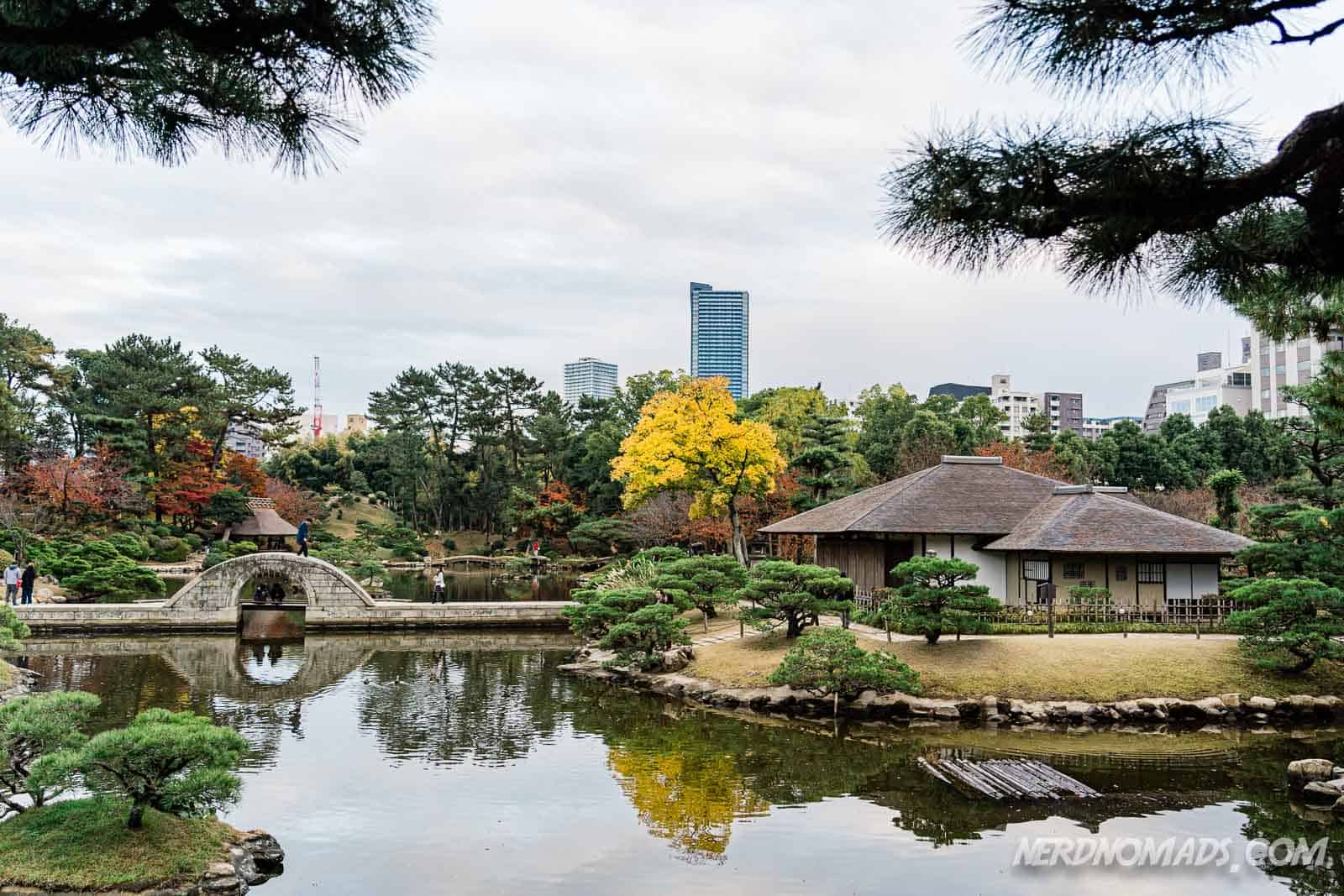
Shukkeien, meaning “shrunken-scenery garden,” (縮景園) is a historic Japanese garden in Hiroshima, founded in 1620 near Hiroshima Castle. Designed to showcase miniature landscapes, the garden features a central pond, charming tea houses, and winding walking paths that reveal scenic views at every turn. Visitors can stroll through carefully crafted hills, bridges, and gardens, experiencing the beauty of nature in a compact, serene setting—a perfect spot for relaxation and cultural exploration in Hiroshima.
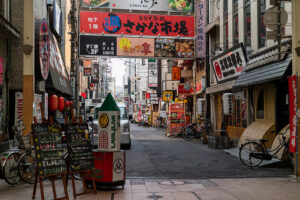
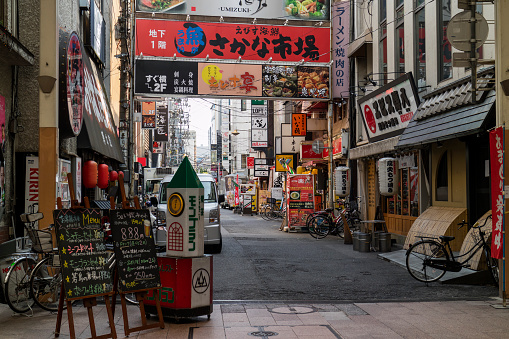
Hiroshima’s downtown is a lively hub of shopping, dining, and culture. Stroll Hondori Street, a bustling pedestrian arcade filled with shops and restaurants, or explore Aioi Street, lined with department stores and trams. Food lovers must try Hiroshima-style okonomiyaki at Okonomimura, a unique restaurant village just south of Hondori’s east end, where dozens of eateries serve this iconic local specialty—making downtown Hiroshima a must-visit for both sightseeing and authentic cuisine.
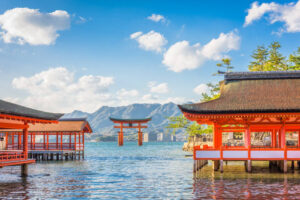
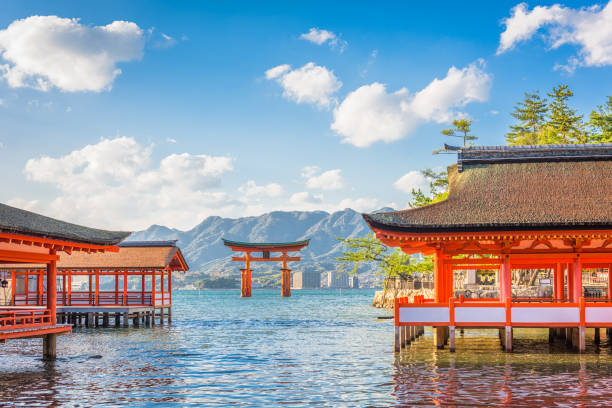
Miyajima (宮島) a serene island less than an hour from Hiroshima, is famed for its iconic torii gate that appears to float at high tide. Home to Itsukushima Shrine, its buildings extend over the water, creating a magical scene. Visitors enjoy peaceful evenings by staying overnight in a ryokan, while friendly wild deer roam freely along walking paths. Miyajima’s unique blend of history, nature, and tranquility makes it a must-visit destination.
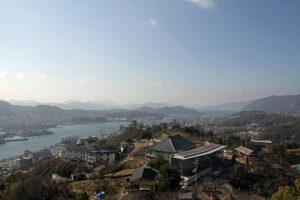
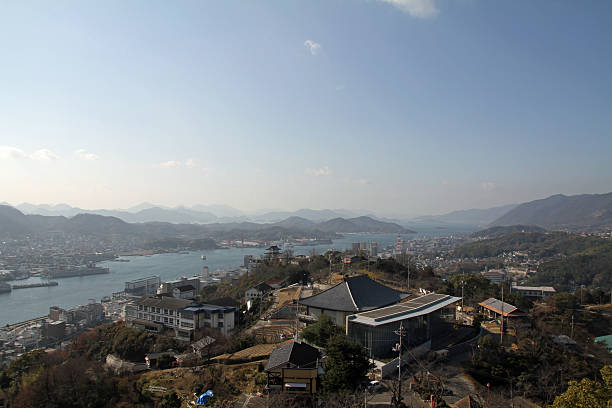
Onomichi (尾道) a charming town along the Seto Inland Sea in eastern Hiroshima, spreads across hills and nearby islands connected by the Shimanami Kaido bridges. Its narrow lanes lead visitors up slopes to hidden gems, including the famous Temple Walk, which passes 25 historic temples. Small ferries add to the nostalgic port-town feel. Rich in literary and cinematic history, Onomichi’s museums and scenic streets offer a peaceful, cultural escape for travelers exploring Japan’s coastline.
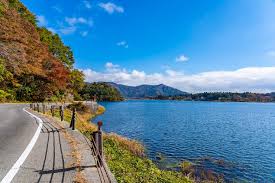
Discover Iwakuni (岩国) a picturesque city of 150,000 in southeastern Yamaguchi Prefecture, famous for its stunning Kintai-kyo Bridge. The bridge delights visitors year-round, especially during early April’s cherry blossom season. History comes alive at the reconstructed mountaintop castle, reflecting Iwakuni’s Edo Period heritage. Just a short trip from Hiroshima, the city offers scenic walks, seasonal beauty, and cultural charm, making it an ideal destination for a memorable day trip in western Japan.
Hiroshima
Discover Hiroshima’s rich history, from the Peace Memorial Park to Hiroshima Castle, surrounded by vibrant city life.
Hiroshima
Discover Hiroshima’s rich history, from the Peace Memorial Park to Hiroshima Castle, surrounded by vibrant city life.