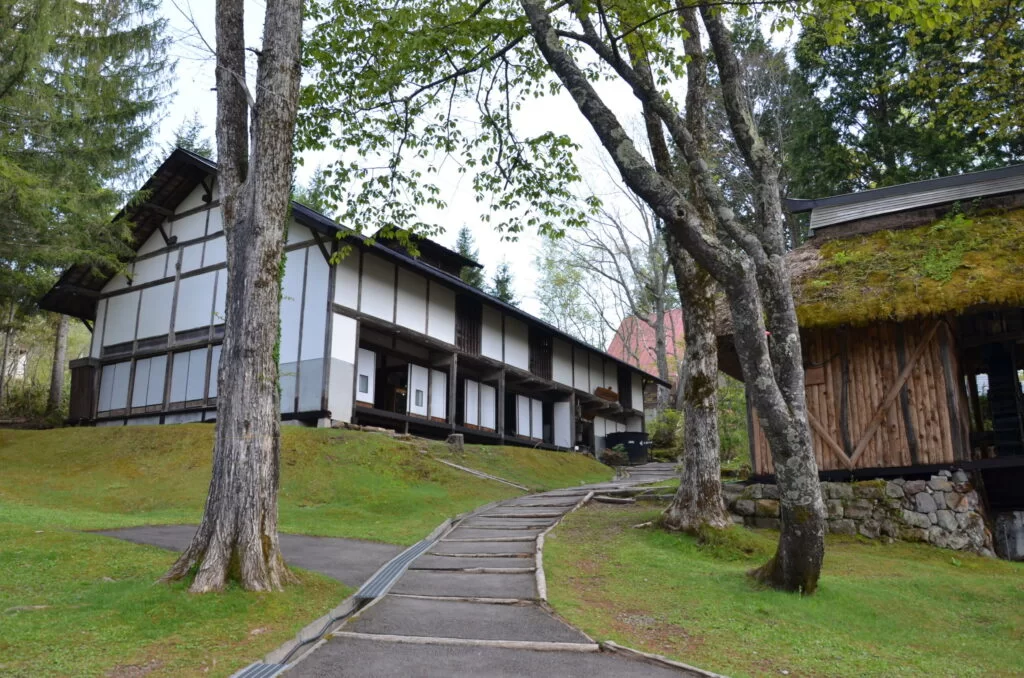
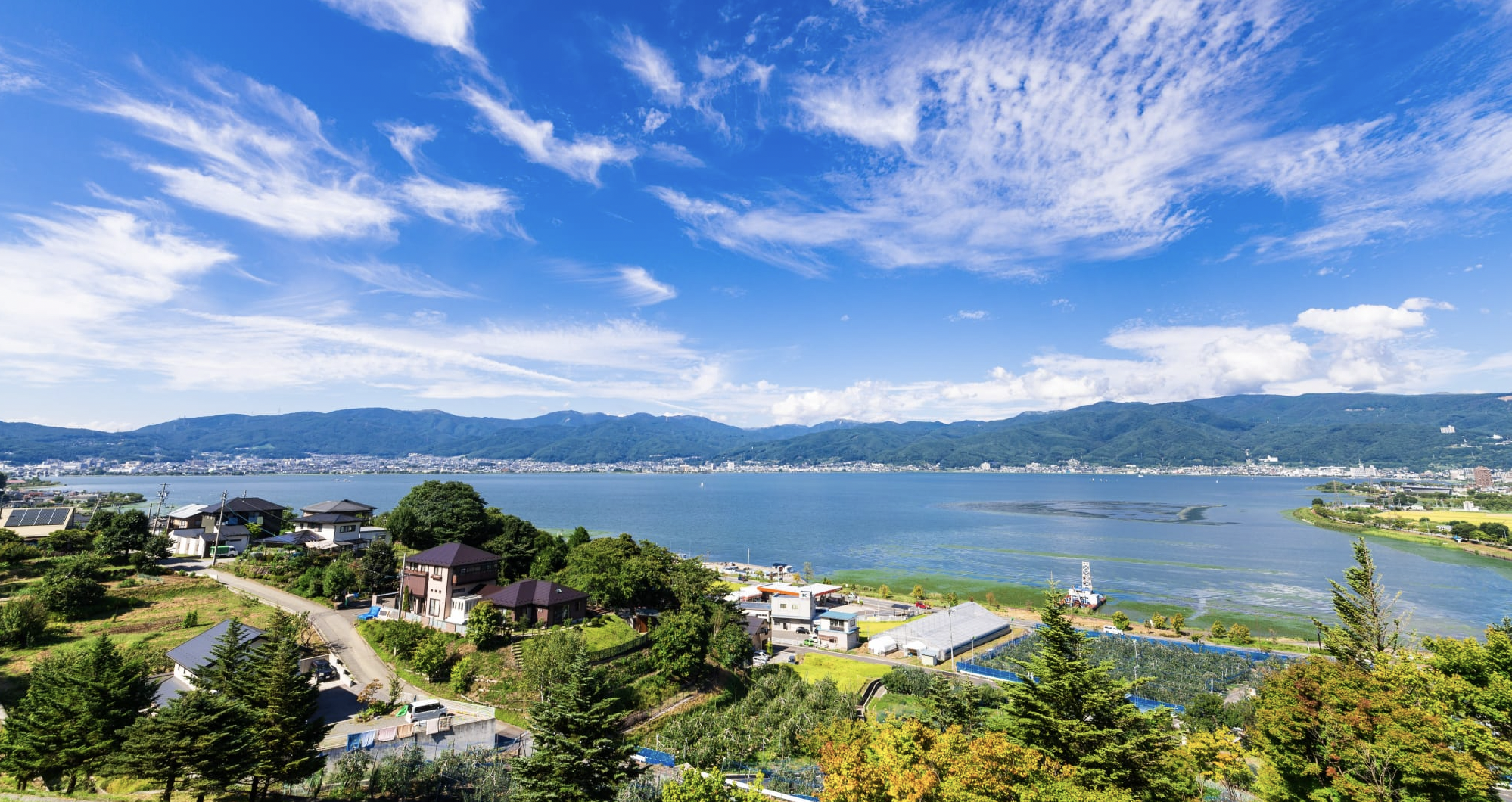
Nagano City (長野) the vibrant capital of Nagano Prefecture, grew around the historic Zenkoji Temple, one of Japan’s most visited spiritual sites. Famous for hosting the 1998 Winter Olympics, the city still showcases former Olympic venues and winter sports attractions. Just northwest, the forested Togakushi area invites exploration with its scenic shrines and legendary connection to the Togakure Ninja School. Visitors can experience ninja history firsthand at the Togakushi Ninpo Museum or Kids Ninja Village. Blending rich culture, outdoor adventure, and family-friendly activities, Nagano City offers a unique mix of heritage, excitement, and natural beauty for travelers of all ages.
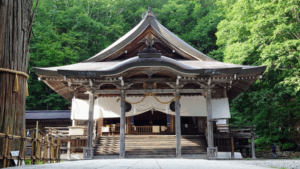
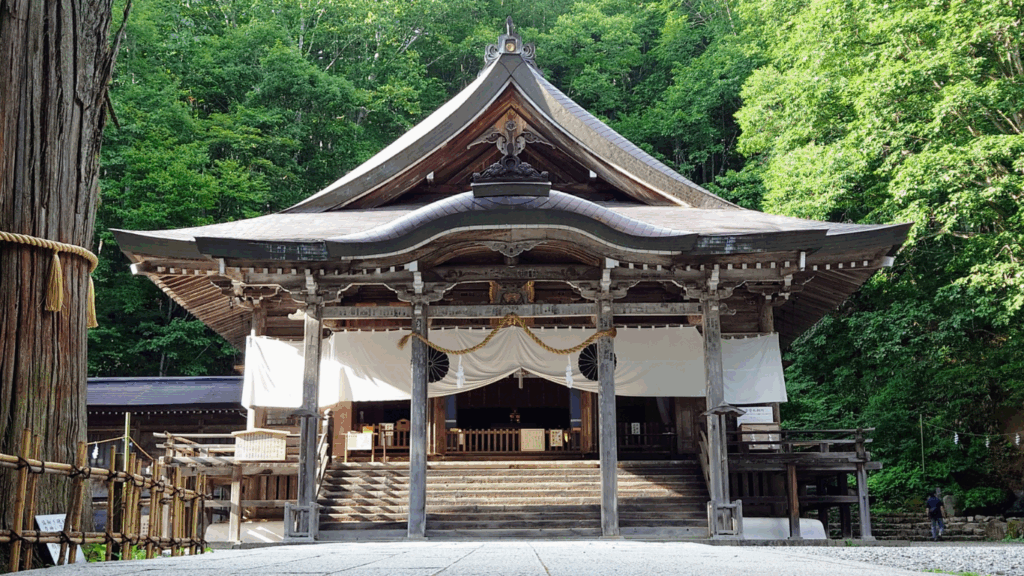
Togakushi Shrine (戸隠神社) a captivating three-part sanctuary in Nagano’s forested mountains, is steeped in Japanese mythology. Legend says the Sun Goddess hid in a cave, darkening the world, until other deities coaxed her out and tossed the cave’s stone door to Togakushi—meaning “hiding door.” Today, visitors can explore the shrine’s three sites, experiencing its serene forest setting, spiritual significance, and the rich myths that have inspired generations of pilgrims and travelers alike.
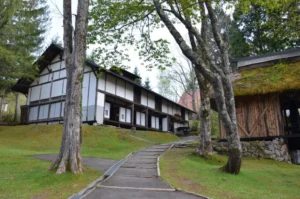 The Togakure Ninpo Museum (戸隠流忍法資料館) located in forested mountains about an hour northwest of central Nagano near Upper Togakushi Shrine, showcases the history of the Togakure ninja. Visitors can explore multiple buildings displaying ninja weapons, tools, and photographs of techniques in stealth and combat. The museum tells the story of a 12th-century Nagano warrior who trained in Iga before founding the Togakure school, offering an engaging glimpse into Japan’s fascinating ninja heritage.
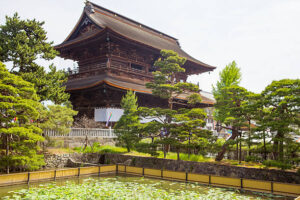
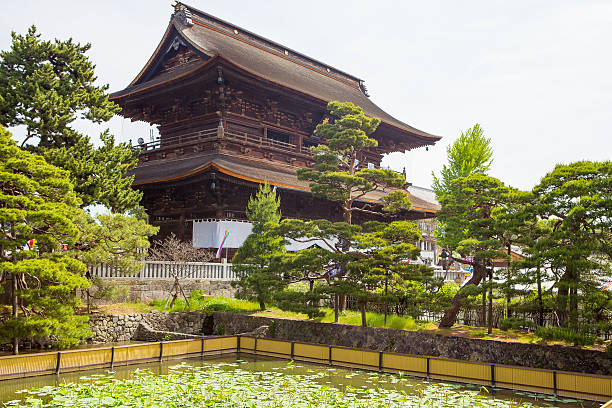
Zenkoji Temple (善光寺) in Nagano, founded in the 7th century, is one of Japan’s most historic Buddhist sites. Home to the nation’s first Buddhist statue, the original remains hidden, with a public viewing held every six years—next in 2027. Beyond its spiritual significance, Zenkoji shaped Nagano into a vibrant temple town, influencing the city’s culture, history, and development, making it a must-visit destination for travelers exploring Japan’s rich heritage.
Kids Ninja Village (チビッ子忍者村) nestled on Mount Togakushi in Nagano, lets visitors of all ages experience fun ninja training in a forest setting. Packed with obstacle courses, jungle gyms, and interactive ninja mansions featuring trapdoors, labyrinths, and optical illusions, the park brings Togakure ninja skills to life. Guests can also try blow darts and throwing stars for an extra fee. It’s an engaging, hands-on adventure perfect for families and ninja enthusiasts alike.

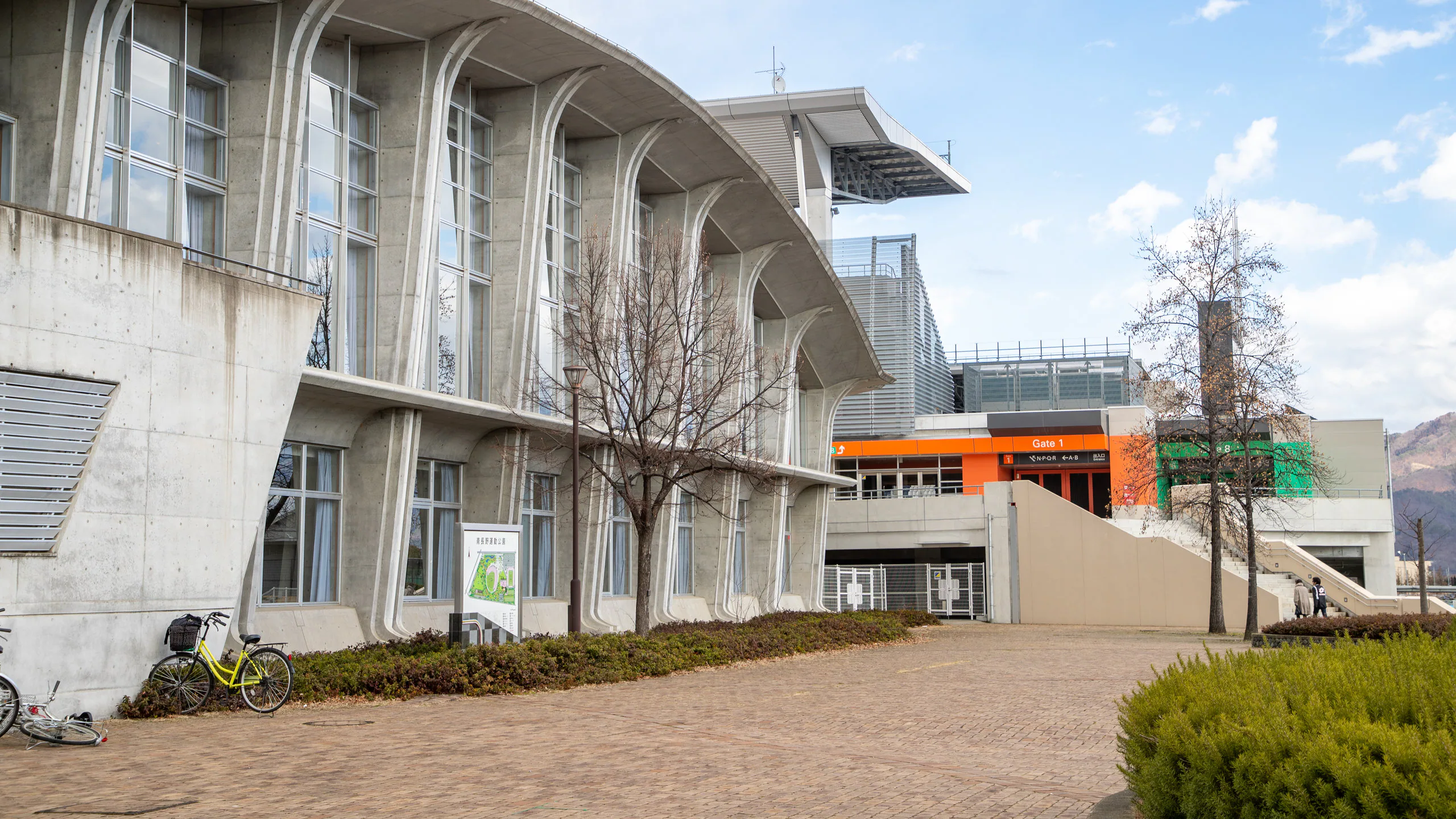
Nagano’s 1998 Winter Olympics left a lasting legacy through its five iconic venues, now popular attractions for visitors. M-Wave, the former speed skating arena, hosts the Nagano Olympic Museum and a winter ice rink. The Olympic Stadium, closed for renovations until September 2025, anchors Minami Nagano Sports Park with its preserved Olympic Cauldron. White Ring, set among apple orchards, welcomes figure skating events, while Big Hat hosts ice hockey and concerts. These Olympic facilities combine historic architecture, sporting heritage, and modern recreation, offering tourists and locals a unique glimpse into Nagano’s unforgettable Olympic legacy.
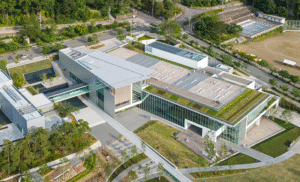
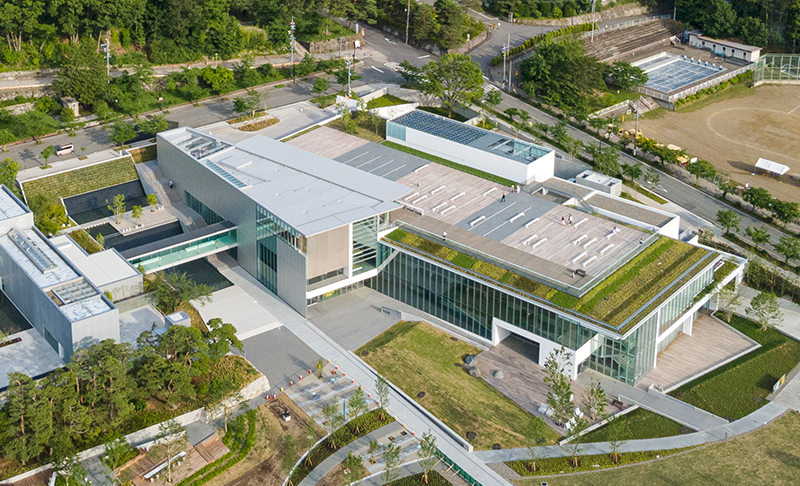
The Nagano Prefectural Art Museum (長野県立美術館) just a short walk from Zenkoji Temple, showcases rotating exhibitions of Nagano art, featuring local artists and landscapes inspired by the region. Adjacent, the Higashiyama Kaii Gallery highlights the renowned painter’s works, capturing Nagano’s scenic beauty through his landscape paintings. Seasonal exhibitions celebrate both contemporary and classic art, offering visitors an engaging, cultural experience that connects Nagano’s artistic heritage with its stunning natural surroundings.
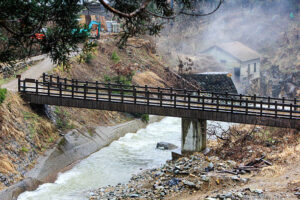
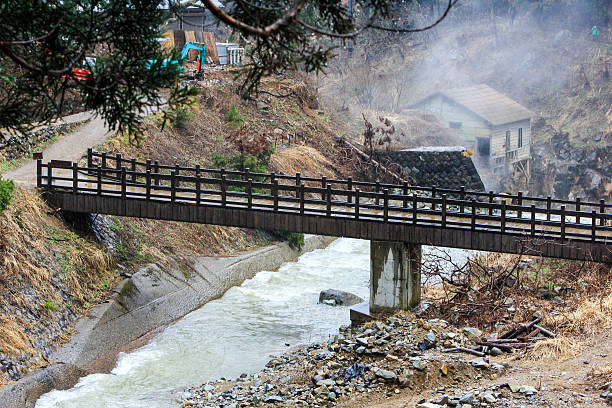
Yamanouchi (山ノ内) in northern Nagano is a haven for nature and adventure lovers. Visit Jigokudani Monkey Park to watch snow monkeys relaxing in hot springs, then unwind in the traditional baths of Shibu and Yudanaka Onsen. Shiga Kogen, Japan’s largest ski resort and a 1998 Olympic venue, offers world-class slopes and summer hiking trails within Joshinetsu Kogen National Park, making Yamanouchi a year-round destination for outdoor exploration and relaxation.
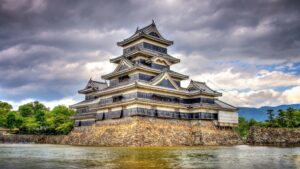
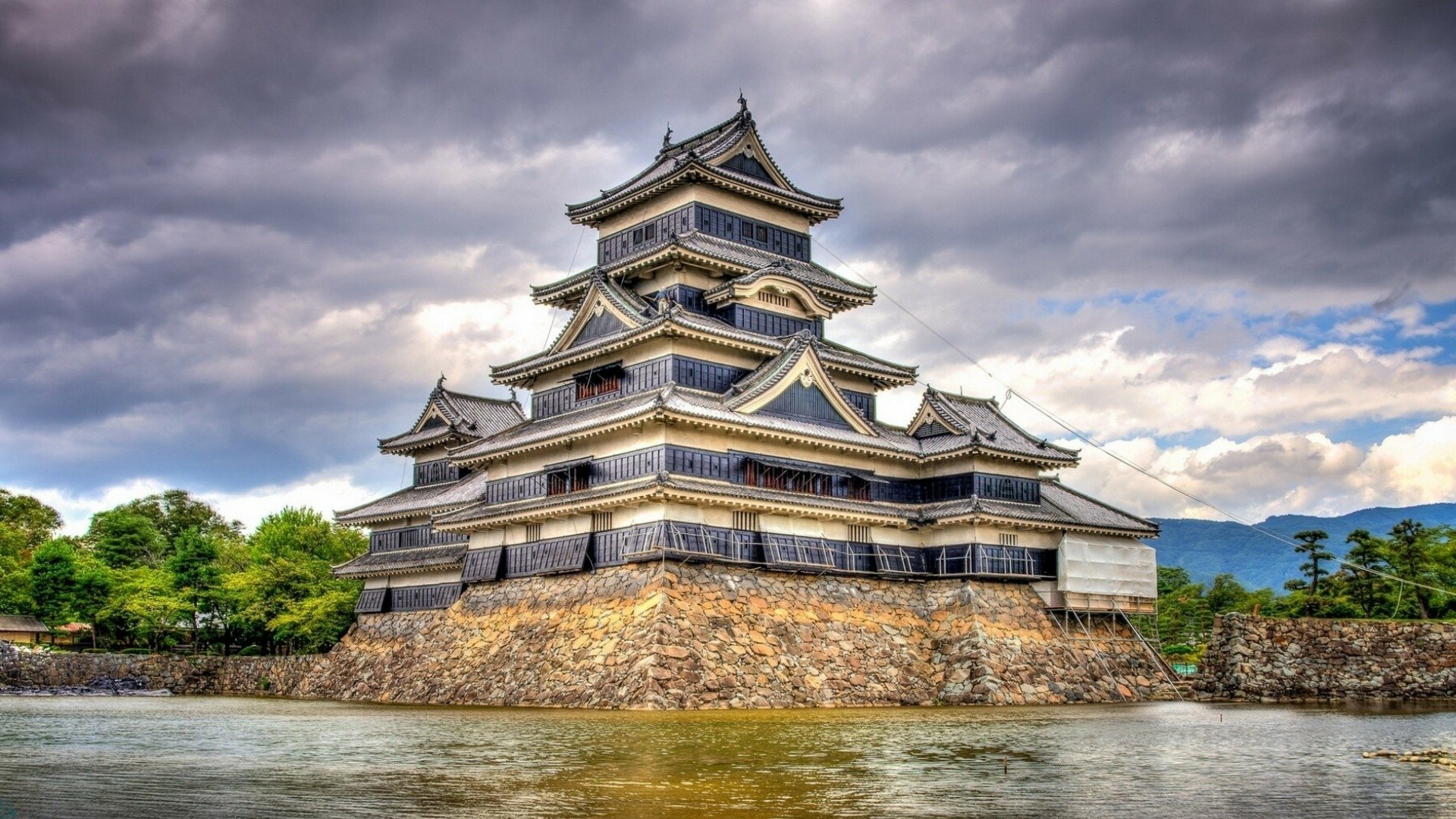
Matsumoto (松本), Nagano Prefecture’s second-largest city, blends history and mountain adventure. Its crown jewel, Matsumoto Castle, is a striking original castle built between 1592 and 1614, known for its black exterior and rare dual donjon design. Perfectly preserved, it stands as a national treasure. Beyond the castle, Matsumoto is the gateway to the Japanese Alps, leading to scenic destinations like Kamikochi and the Tateyama-Kurobe Alpine Route.
Nagano
Enjoy scenic mountain views in Nagano City, home to the historic Zenkoji Temple, peaceful shrines, and easy access to the Japanese Alps.
Nagano
Enjoy scenic mountain views in Nagano City, home to the historic Zenkoji Temple, peaceful shrines, and easy access to the Japanese Alps.