- Home
- Amanohashidate
Amanohashidate Japan
One of Japan’s three most scenic views
Amanohashidate
Giving You The Best Services Experiences
Overview
Amanohashidate (天橋立) meaning “bridge to heaven”. Amanohashidate is a pine-covered sandbar stretching across Miyazu Bay in northern Kyoto Prefecture. Counted among Japan’s three most scenic views, it looks like a pathway connecting heaven and earth from the surrounding hills. Visitors can walk, cycle, or take a boat cruise and enjoy beaches and nearby attractions. Additionally, Amanohashidate combines natural beauty with cultural charm, making it a must-visit year-round.
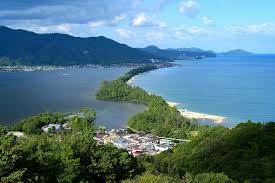
1. Amanohashidate Sandbar

Amanohashidate (天橋立), Kyoto’s famous “bridge in heaven” extends for three kilometers across Miyazu Bay. It is ,lined with nearly 8,000 pine trees, including special ones like “Couples Pine” and “Wisdom Pine”,. Many visitors stroll along the pathway enjoy cycling or take photos from observation points. Moreover, the sandbar’s calm atmosphere provides peaceful views perfect for nature lovers and families.
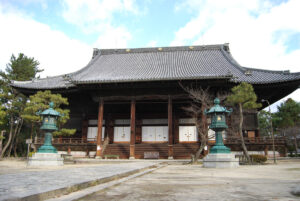
2. Chionji Temple

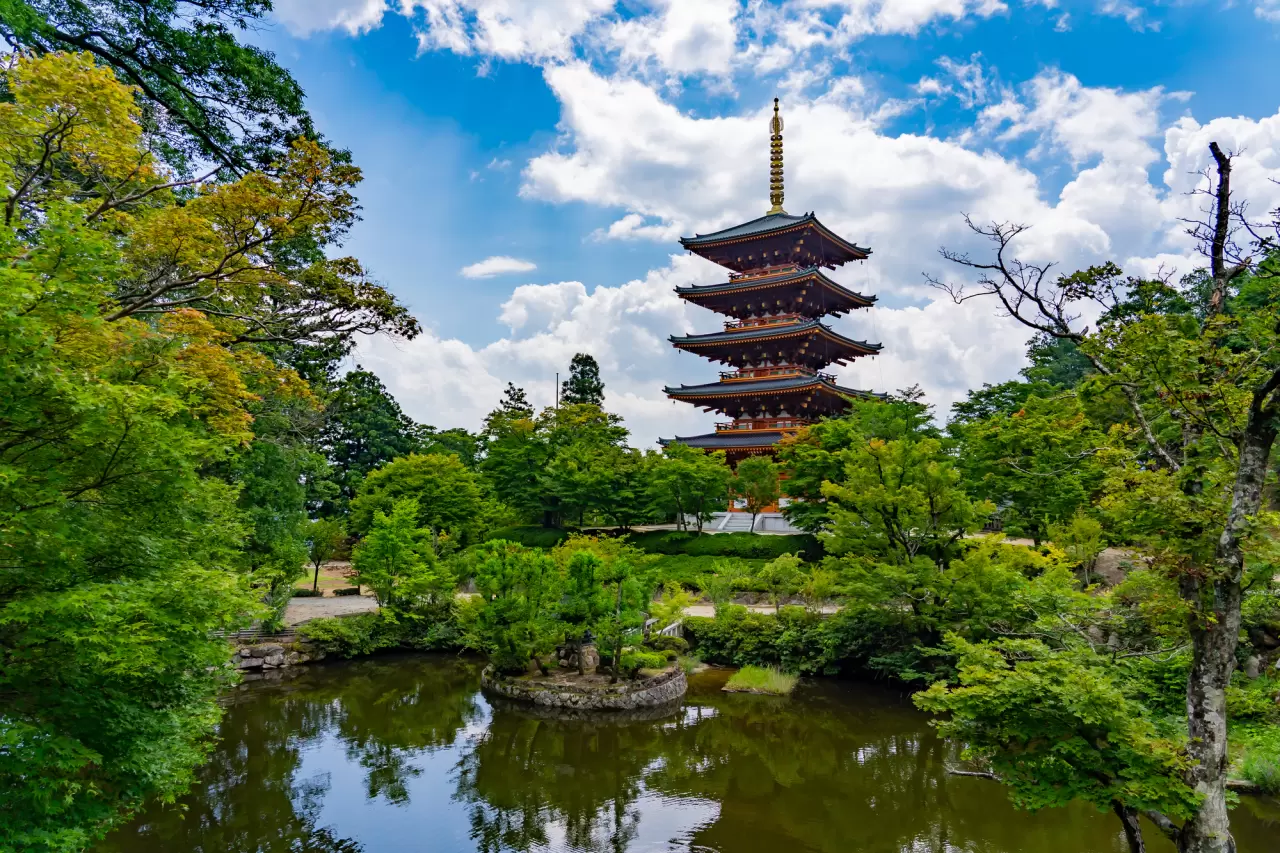
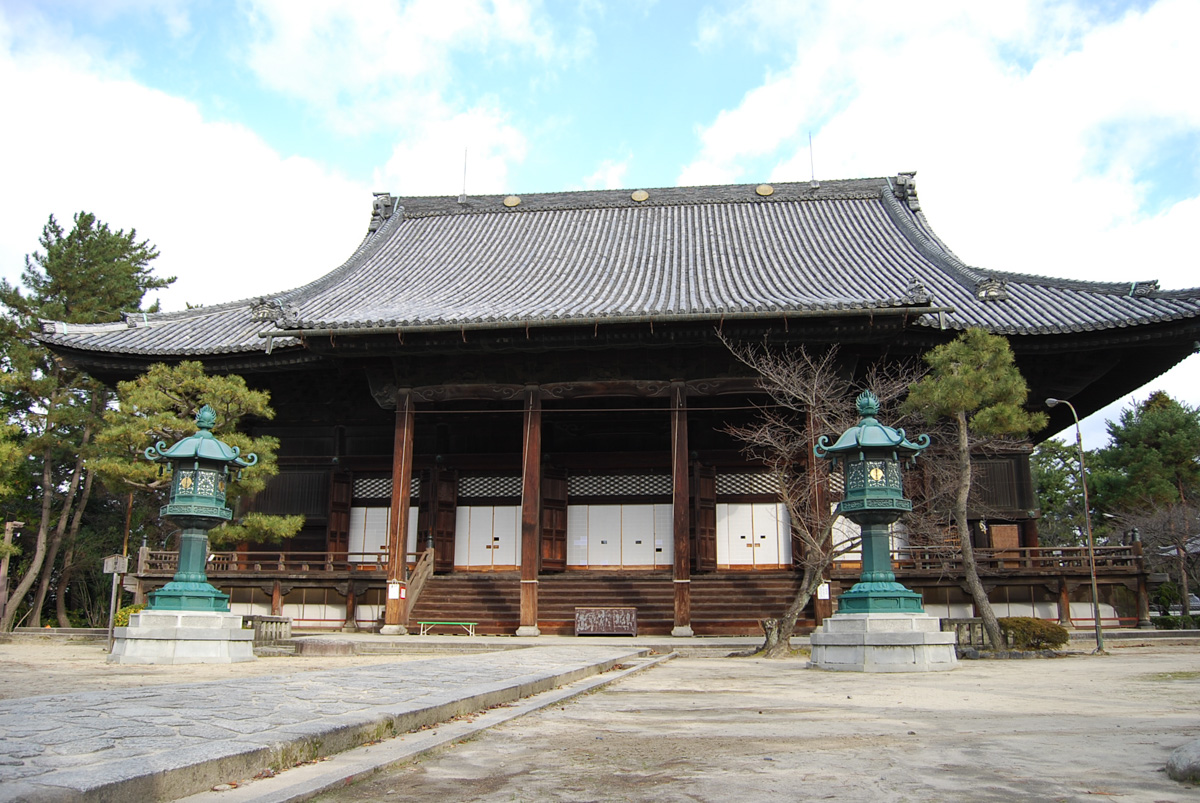
Chionji Temple (智恩寺) at the southern entrance of Amanohashidate, is a well-known Zen Buddhist temple dedicated to Monju Bosatsu, the deity of wisdom. Students and travelers come to pray for knowledge and success, often leaving fan-shaped fortunes on pine trees. Highlights include a majestic gate, a 16th-century pagoda, and the tomb of Heian-era poet Izumi Shikibu. In addition, Chionji blends history, culture, and spirituality for an unforgettable visit.
3. Motoise Kono Shrine

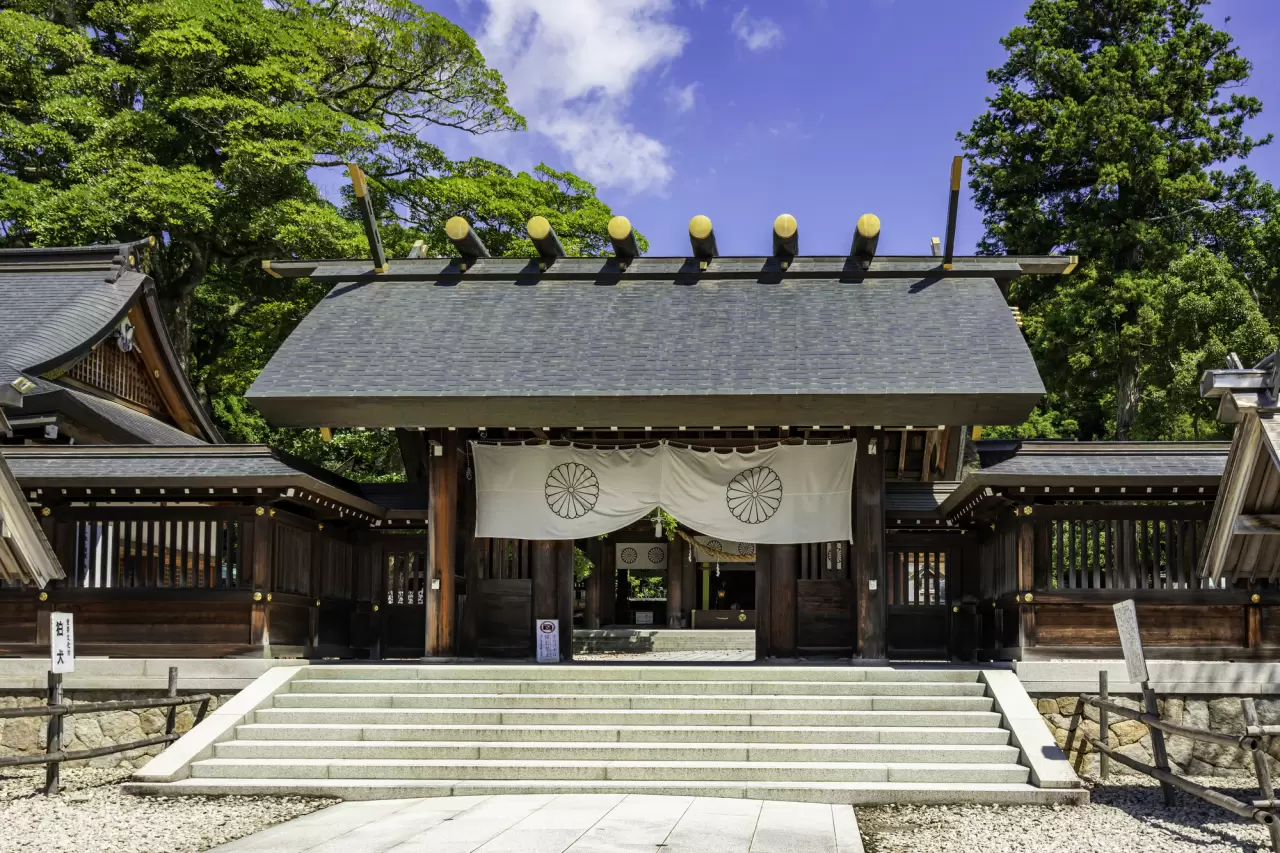
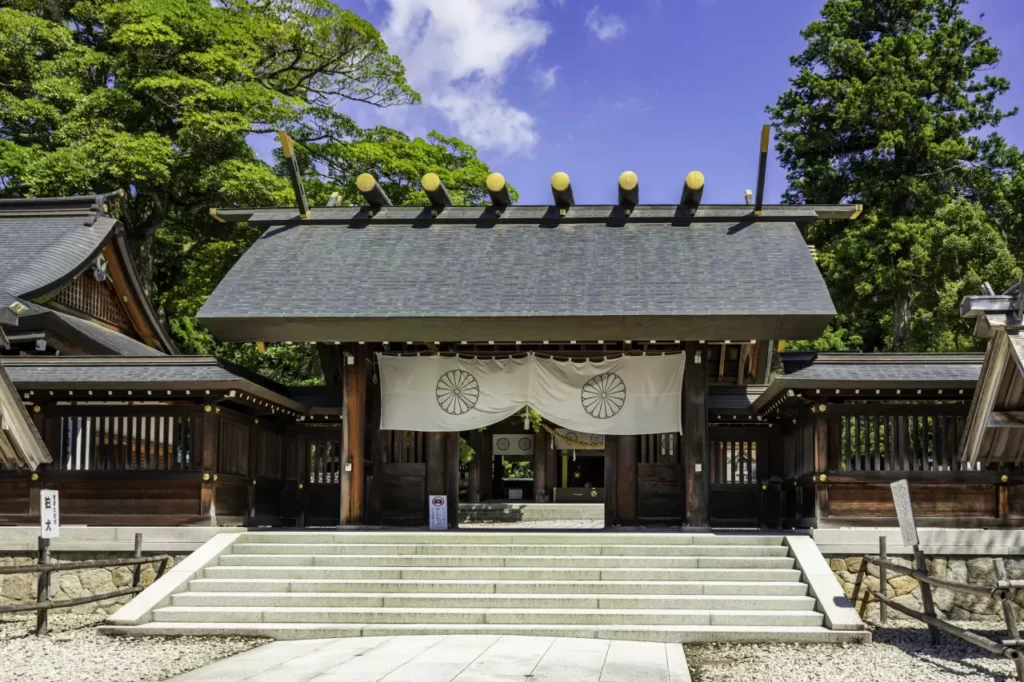
Motoise Kono Shrine (元伊勢籠神社) near Amanohashidate, is one of Japan’s oldest Shinto sites and the spiritual predecessor of Ise Shrine. Originally dedicated to the Sun Goddess, it features distinctive katsuogi roof logs and elegant suedama decorations. Visitors can explore smaller shrines devoted to other deities. Therefore, Motoise Kono offers a deep spiritual experience combined with timeless architecture in the Tango region.
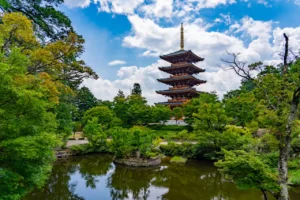
4. Nariaiji Temple

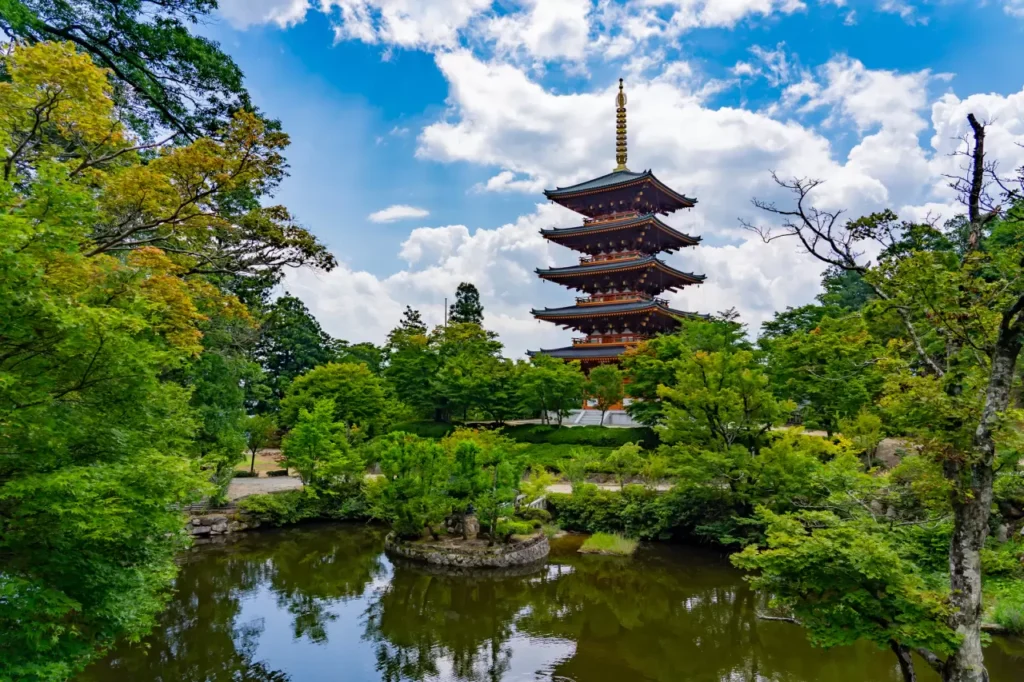
Nariaiji Temple (成相寺) a revered Shingon Buddhist temple on Mount Tsuzumigatake, is part of the Kansai Kannon Pilgrimage. Known for its Heian Period Kannon statue, the temple was relocated after a landslide over 250 years ago. Visitors can admire panoramic bay views, ring the “bell of neutrality,” and explore the five-story pagoda rebuilt in the 1990s. Additionally, Nariaiji symbolizes peace and spiritual devotion.
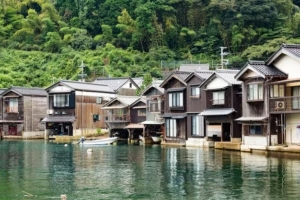
5. Ine

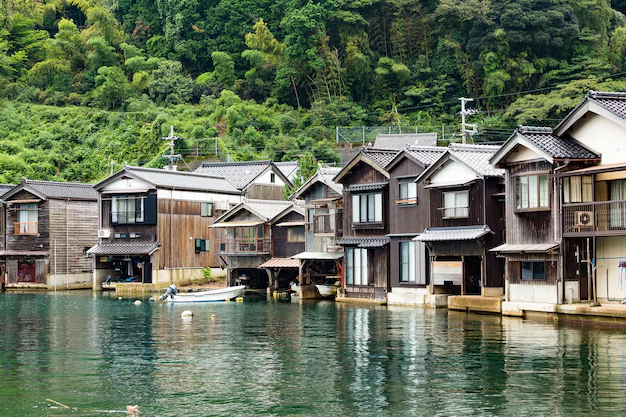
Ine (伊根) a charming fishing village near Amanohashidate, is famous for its traditional funaya — boat houses with garages below and living spaces above. Over 200 line the serene bay, creating one of Japan’s most picturesque waterfronts. Many funaya now serve as guest lodgings. Therefore, visitors can experience authentic village life while enjoying stunning coastal scenery. Ine is a perfect stop for nature and culture lovers.
Amanohashidate
Enjoy stunning views of Amanohashidate, a pine-covered sandbar known as one of Japan’s three most scenic spots.
Recomended itineraries

Amanohashidate
Enjoy stunning views of Amanohashidate, a pine-covered sandbar known as one of Japan’s three most scenic spots.
Links and Resources
Find Out The Best Travel Choice in Japan
Discover the most incredible travel experiences across Japan with Diexplore. Whether you’re seeking luxury city tours, serene nature retreats, or authentic cultural adventures, we help you find the perfect travel option tailored to your interests. Explore Japan your way — with comfort, confidence, and unforgettable moments.
Accomodation
Activity
Popular list
Before flying to Japan, it’s a good idea to explore helpful websites that can make your trip smooth and enjoyable. Start with Japan-Guide.com for travel tips and itineraries, and Hyperdia or Navitime Japan to plan your train routes efficiently. For cultural insights, visit Japan National Tourism Organization (JNTO) and Tokyo Cheapo for budget-friendly advice. Google Maps and Yelp Japan are great for finding restaurants and attractions, while TripAdvisor helps you read real traveler reviews. Lastly, check Weather.com to pack appropriately. Reading these sites will ensure you’re fully prepared for your Japanese adventure.
Before you fly to Japan, make sure you have all the essential travel documents ready. You’ll need a valid passport with at least six months of validity and a return or onward flight ticket. Depending on your nationality, you may also need a tourist visa, so check the latest entry requirements in advance. Keep copies of your hotel bookings, travel insurance, and emergency contact details. It’s also smart to have a digital backup of all documents on your phone or cloud storage for easy access during your trip.
Planning your Japan itinerary is key to making the most of your adventure. Start by listing the cities and attractions you want to visit — such as Tokyo, Kyoto, and Osaka — and decide how many days to spend in each. Group nearby destinations together to save travel time, and book transportation like JR Pass or local trains in advance. Be sure to include rest days or flexible time for spontaneous exploration. Prioritize must-see spots, but keep your schedule balanced so you can truly enjoy Japan’s beauty, culture, and cuisine without feeling rushed.
Before flying to Japan, it’s a good idea to explore helpful websites that can make your trip smooth and enjoyable. Start with Japan-Guide.com for travel tips and itineraries, and Hyperdia or Navitime Japan to plan your train routes efficiently. For cultural insights, visit Japan National Tourism Organization (JNTO) and Tokyo Cheapo for budget-friendly advice. Google Maps and Yelp Japan are great for finding restaurants and attractions, while TripAdvisor helps you read real traveler reviews. Lastly, check Weather.com to pack appropriately. Reading these sites will ensure you’re fully prepared for your Japanese adventure.
Planning your Japan trip starts with setting the right budget. On average, a comfortable daily budget ranges from $100–$150, covering meals, transport, and attractions. Budget travelers can manage with around $60–$80 per day by choosing hostels, local eateries, and regional trains. For a more luxurious experience, expect to spend $200 or more daily on fine dining and premium stays. Always include extra funds for shopping, souvenirs, and emergency costs. With smart planning and clear budgeting, you can enjoy Japan’s beauty without worrying about overspending.
Diexplore is your ultimate guide to exploring Japan with confidence and excitement. From breathtaking destinations like Kyoto’s temples to Tokyo’s neon streets, we provide expert insights, travel tips, and curated tour packages that make your journey seamless. Our guides cover everything — visas, transportation, accommodation, culture, and cuisine — so you can plan your trip without stress. Whether you’re visiting Japan for the first time or returning to discover hidden gems, Diexplore helps you travel smarter, safer, and more meaningfully.
Get Closer With Us & Get Special Promo
Join the Diexplore community and unlock exclusive travel deals designed just for you! Stay connected with us to receive special promotions, early-bird tour discounts, and limited-time offers on our Japan travel packages. Whether you’re planning a solo trip, a honeymoon, or a family adventure, subscribing to our updates ensures you never miss out on exciting new destinations and budget-friendly opportunities. Follow us today and travel smarter with Diexplore!