Best Season to Visit Mt. Fuji
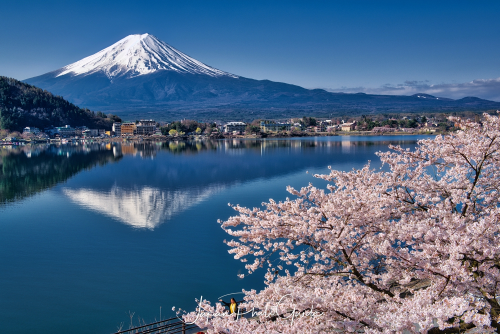
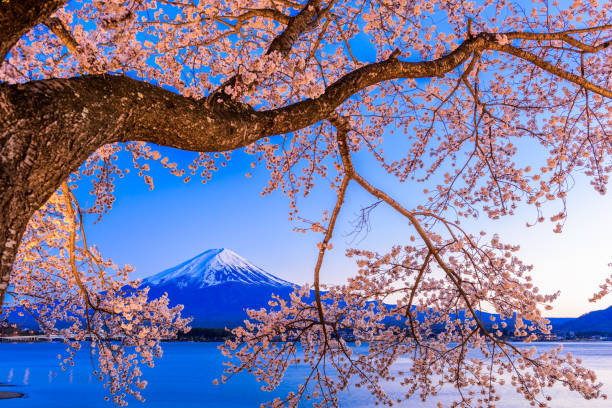
1. Spring – Cherry Blossoms & Clear Views (March to May)
Spring is one of the most popular best seasons to visit Mt. Fuji. Cherry blossoms bloom around the Fuji Five Lakes area, creating stunning photo opportunities. Mild weather makes hiking and sightseeing more comfortable
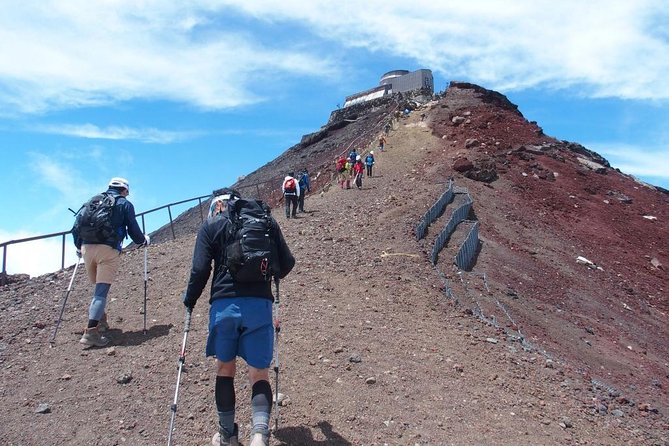
2. Summer – Climbing & Outdoor Adventures (July to August)
Summer is the official climbing season for Mt. Fuji. Trails open fully, and mountain huts operate to accommodate climbers. Summer also offers festivals in nearby towns, making it a lively and adventurous best season to visit Mt. Fuji.
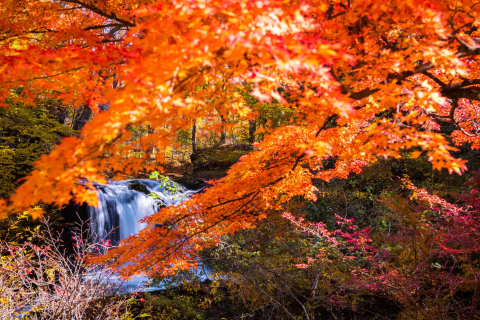
3. Autumn – Colorful Leaves & Serene Views (September to November)
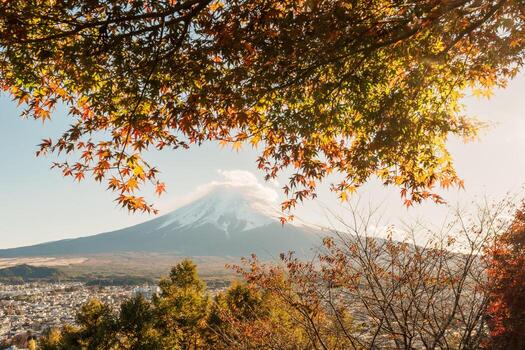
Autumn is ideal for scenic views of Mt. Fuji surrounded by red, orange, and yellow foliage. The cooler temperatures and crisp air make it perfect for photography, lake walks, and peaceful sightseeing experiences.
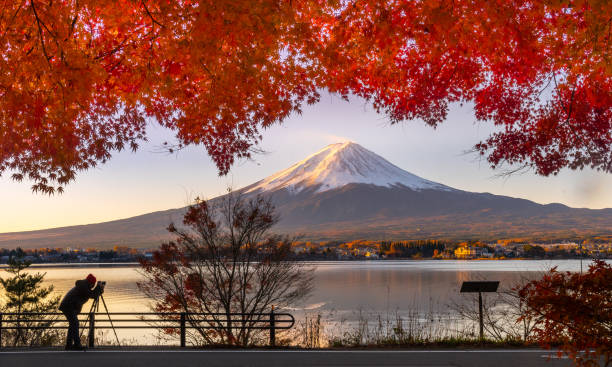
Autumn is one of the most scenic times to visit Mt. Fuji. The surrounding forests and Fuji Five Lakes area showcase brilliant red, orange, and yellow leaves, creating breathtaking views.
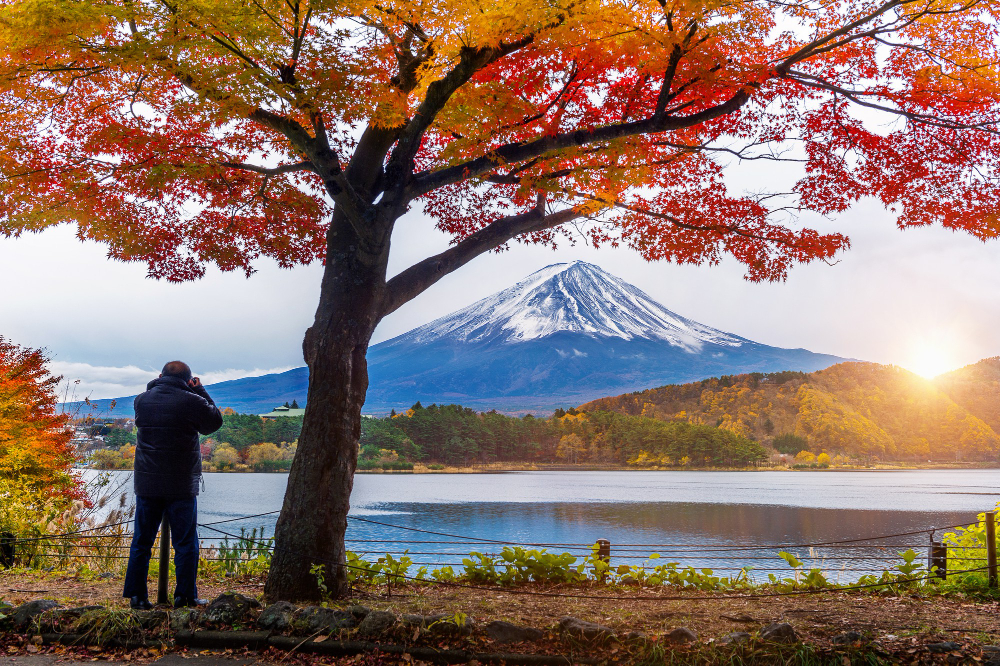
Mt. Fuji in autumn is a breathtaking sight, surrounded by vibrant red, orange, and yellow foliage. Visitors can enjoy scenic views of the mountain reflected in nearby lakes, making it a highlight of the best season to visit Mt. Fuji.
A traveler stands with a camera, photographing the majestic Mount Fuji — a moment that reflects Japan’s natural beauty and serene atmosphere.
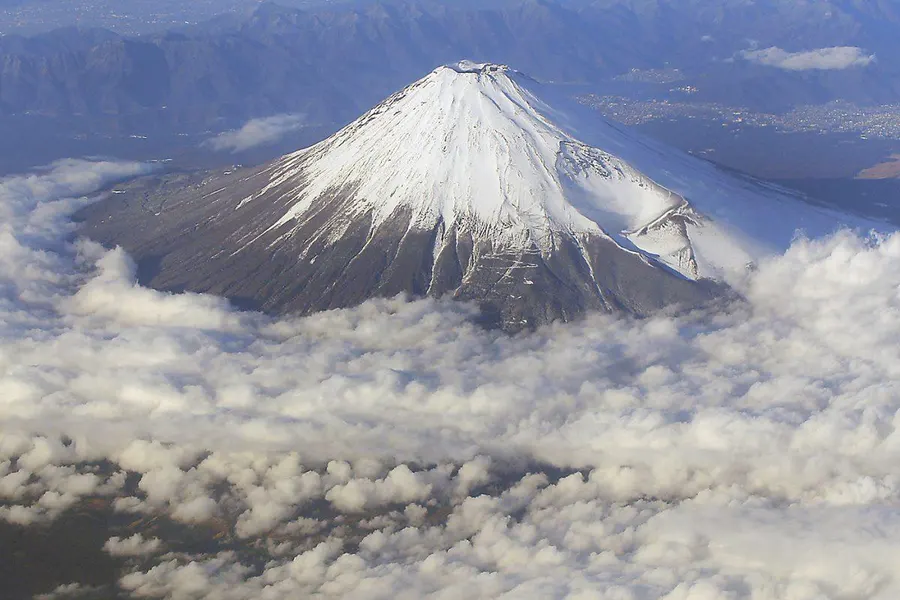
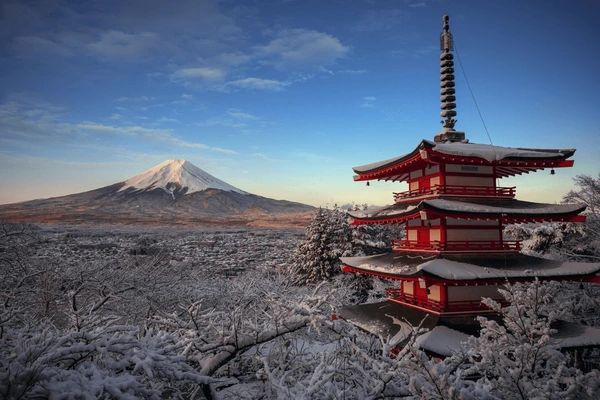
4. Winter – Snow-Capped Peaks & Tranquility (December to February)
Winter offers serene, snow-covered views of Mt. Fuji without the crowds. While climbing is restricted, nearby areas like Fuji Five Lakes and Hakone provide breathtaking landscapes and cozy hot springs for a tranquil experience.