Kyoto ( 京都 ) , Japan’s historic capital from 794 to 1868, beautifully blends timeless tradition with modern life. Home to 1.5 million people, this cultural heart of Japan was spared during World War II, preserving its priceless heritage. With over a thousand temples and shrines, Kyoto offers a glimpse into Japan’s spiritual past and architectural beauty. From serene Zen gardens to vibrant festivals, it remains an essential destination for exploring Japan’s true cultural soul.
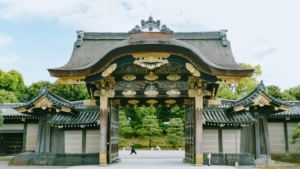
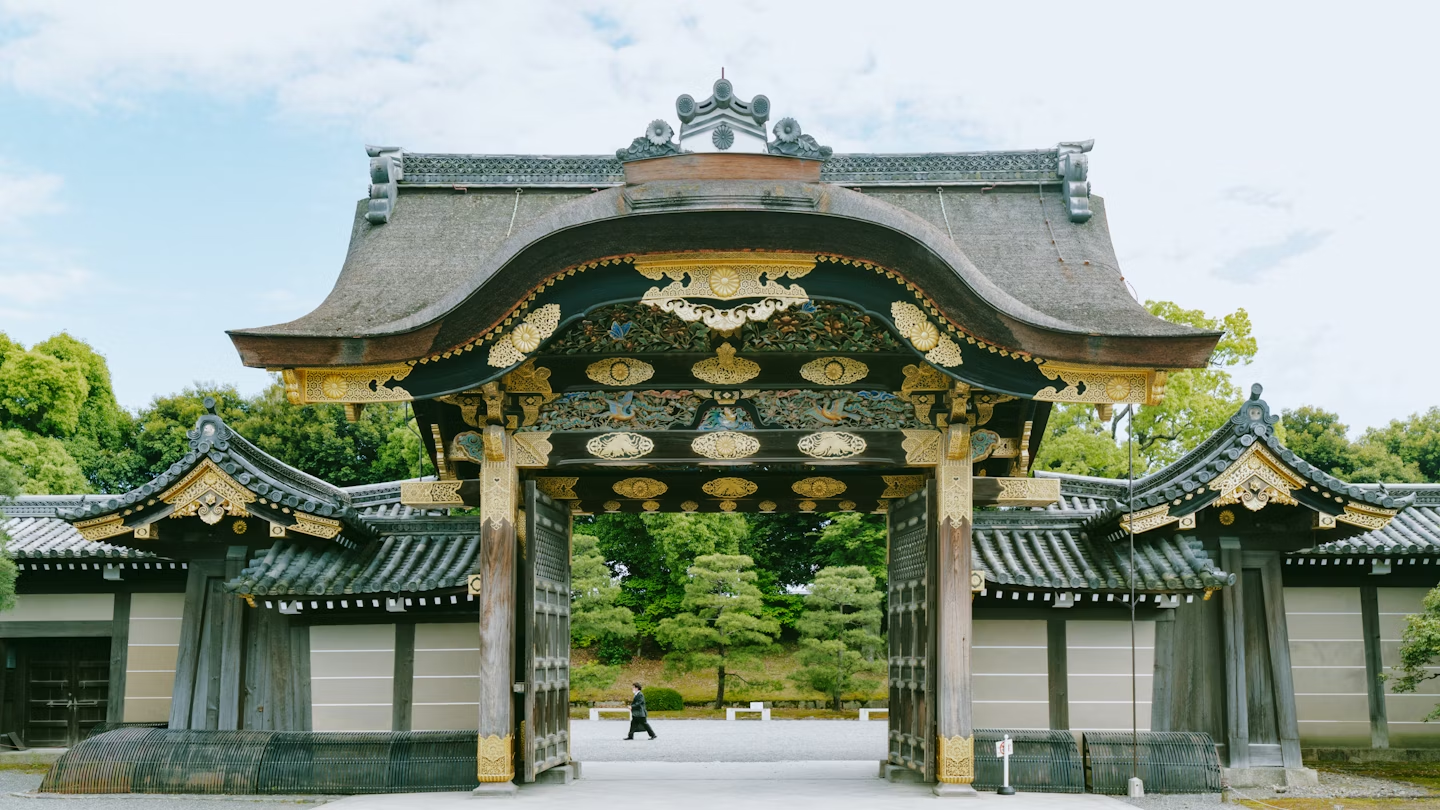
Nijo Castle (二条城, Nijōjō) in Kyoto, built in 1603 for shogun Tokugawa Ieyasu, is a stunning example of Edo Period architecture and a designated UNESCO World Heritage Site. Completed in 1626, it later served as an imperial residence after the Tokugawa Shogunate’s fall. Visitors can explore its elegant palace buildings, tranquil gardens, and impressive moats that reflect Japan’s feudal power and artistic sophistication.
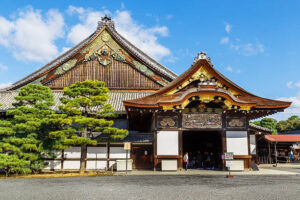
The Kyoto Imperial Palace (京都御苑, Kyōto Gyoen), once home to Japan’s Imperial Family until 1868, stands gracefully in Kyoto Imperial Park at the city’s heart. Rebuilt in 1855, this elegant complex showcases Japan’s imperial heritage through grand gates, ceremonial halls, and serene gardens. Rich in Japanese history, it hosted enthronement ceremonies for Emperors Taisho and Showa, offering visitors a timeless glimpse into Kyoto’s royal past and traditional court culture.
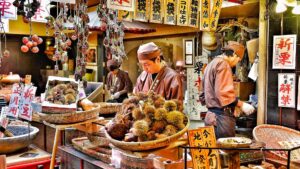
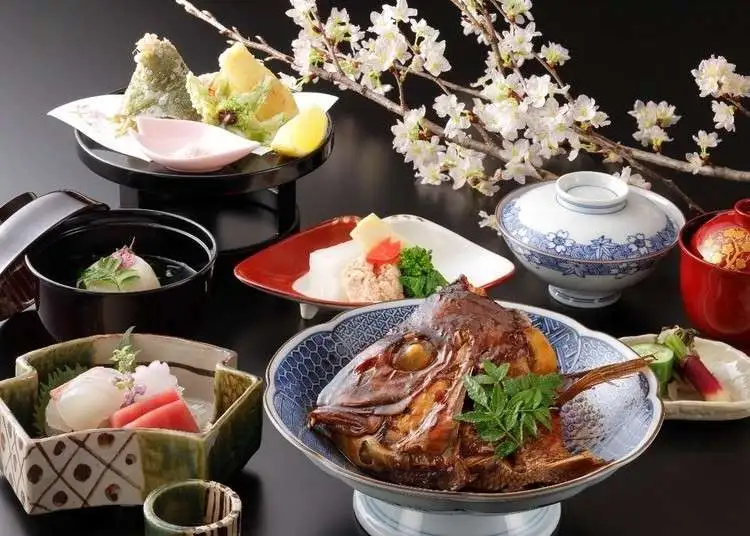
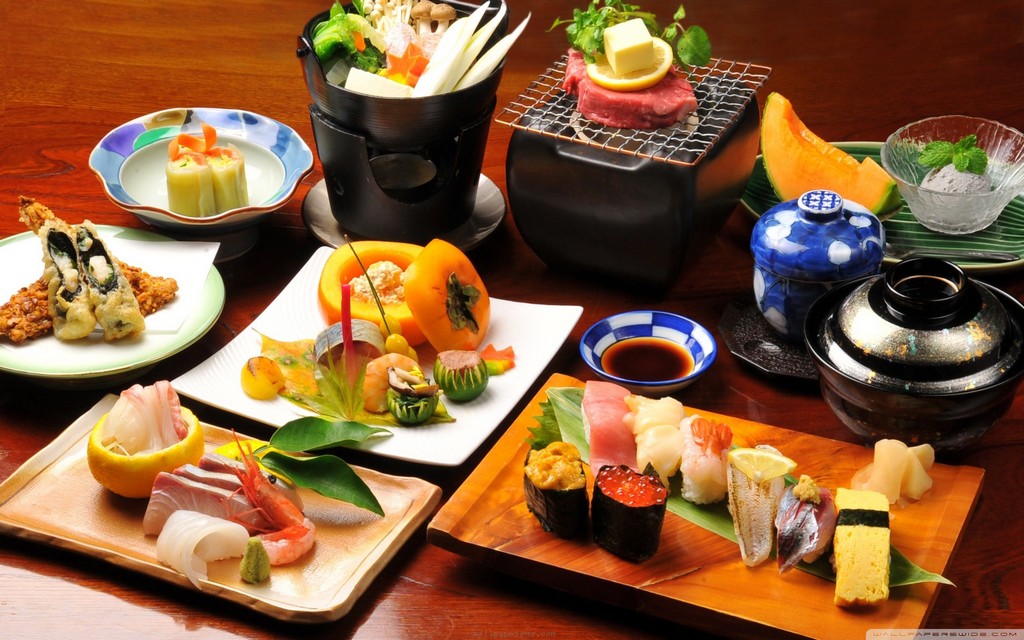
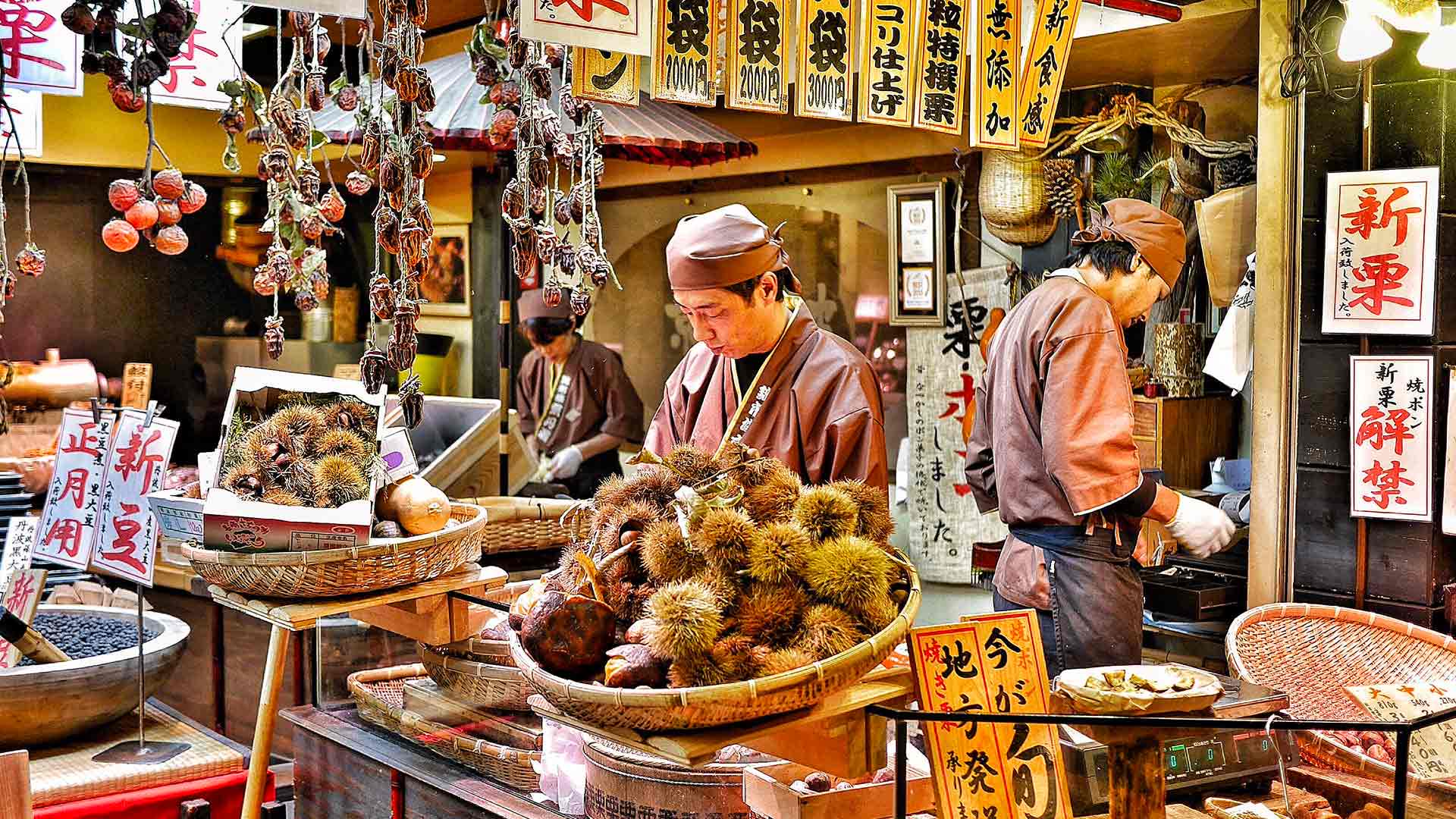
Nishiki Market (錦市場, Nishiki Ichiba) in Kyoto, known as “Kyoto’s Kitchen,” is a lively five-block food market packed with over 100 shops and eateries. Visitors can sample local specialties like pickles, sweets, sushi, and fresh seafood while browsing stalls of handcrafted knives and cookware. With its energetic yet welcoming atmosphere, Nishiki Market offers an authentic taste of Kyoto’s culinary culture and a must-visit experience for food lovers exploring the city.
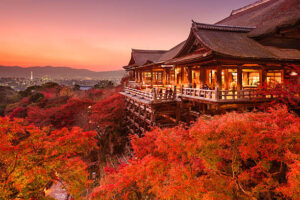
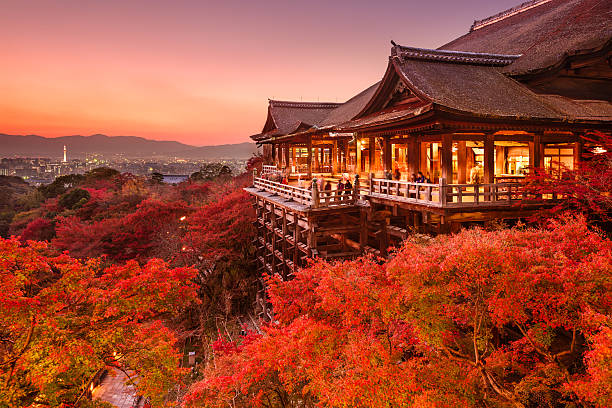
Kiyomizudera (清水寺, literally “Pure Water Temple”) a UNESCO World Heritage Site in Kyoto, is a historic temple founded in 780. Its famous wooden stage, built without nails and perched 13 meters above the hillside, offers stunning views of cherry blossoms in spring and colorful maple leaves in autumn. Inside, visitors can admire the revered eleven-faced Kannon statue. With its breathtaking architecture and seasonal beauty, Kiyomizudera remains a must-visit destination for anyone exploring Kyoto’s cultural and spiritual heritage.
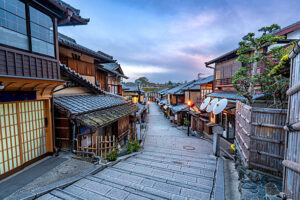
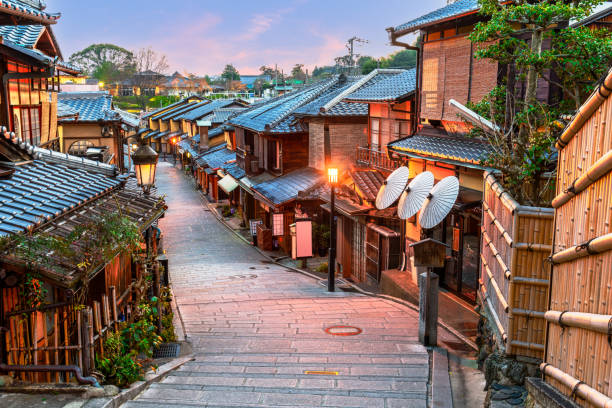
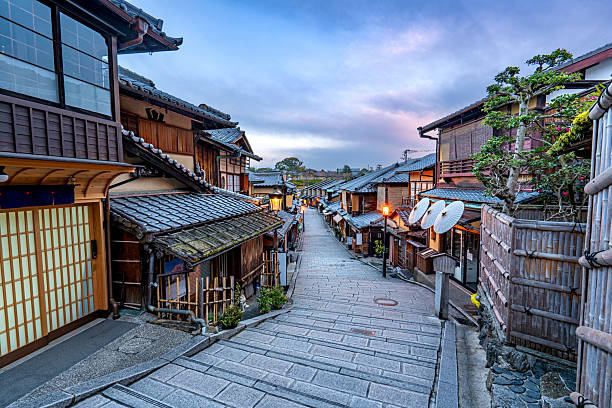
Kyoto’s Higashiyama District (東山) perched on the city’s eastern slopes, offers a stroll through history. Between Kiyomizudera and Yasaka Shrine, narrow streets feature traditional wooden buildings housing charming shops and cafés. Visitors can browse local specialties like pottery, sweets, pickles, and handcrafted crafts, immersing themselves in Kyoto’s timeless charm. This well-preserved neighborhood provides an authentic glimpse of old Kyoto while supporting artisans who keep the city’s cultural heritage alive.
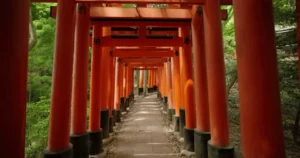
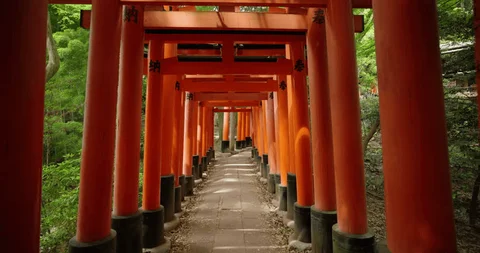
Fushimi Inari Shrine (伏見稲荷大社, Fushimi Inari Taisha) in southern Kyoto is famous for its thousands of vermilion torii gates winding along trails up sacred Mount Inari. Dating back before Kyoto became the capital in 794, it’s the most important shrine dedicated to Inari, the Shinto god of rice. Visitors can admire numerous fox statues, believed to be Inari’s messengers, and explore serene forest paths, making Fushimi Inari a must-see blend of history, culture, and natural beauty.
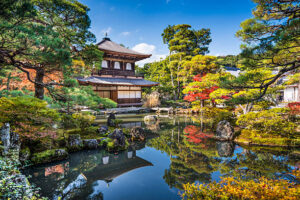
Ginkakuji (銀閣寺, Silver Pavilion) is a historic Zen temple perched in the Higashiyama hills. Built in 1482 by shogun Ashikaga Yoshimasa as a retirement villa, it later became a cultural hub. Unlike the Golden Pavilion, Ginkakuji inspired Higashiyama Culture, influencing tea ceremonies, flower arranging, Noh theater, and garden design. Visitors today can explore its serene gardens and elegant architecture, experiencing a key piece of Japan’s artistic and spiritual heritage.
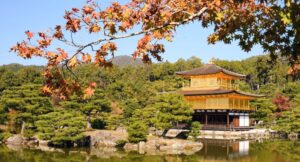
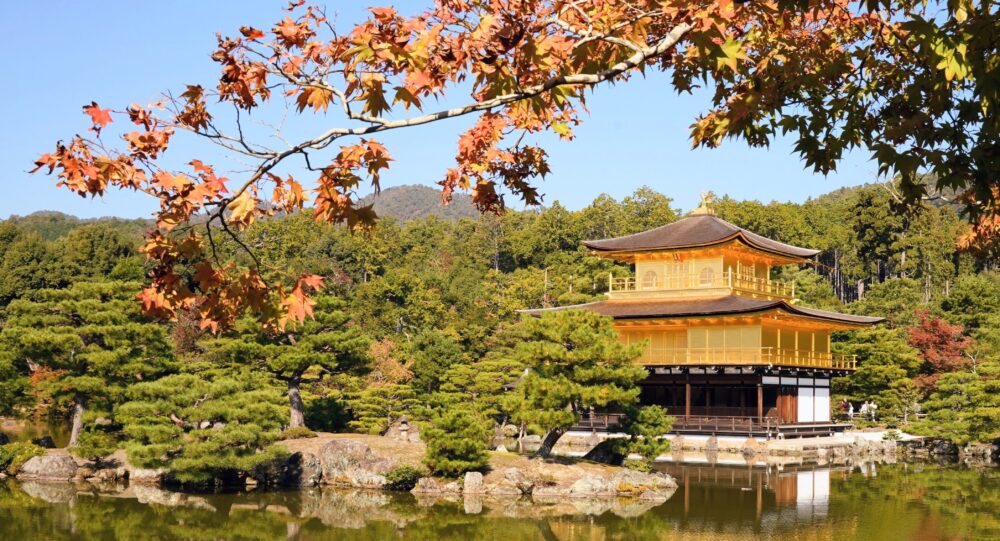
Kinkakuji,(金閣寺, Golden Pavilion) is a stunning Zen temple originally built in 1408 by shogun Ashikaga Yoshimitsu. Covered in gold leaf, it was destroyed by fire in 1950 and meticulously rebuilt in 1955. Often compared to its sister temple, Ginkakuji, Kinkakuji captivates visitors with its shimmering reflection over a tranquil pond and beautifully landscaped gardens, making it one of Kyoto’s most famous and must-visit cultural landmarks.
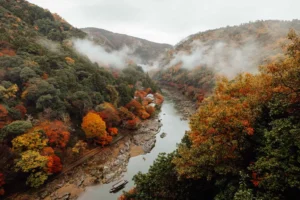
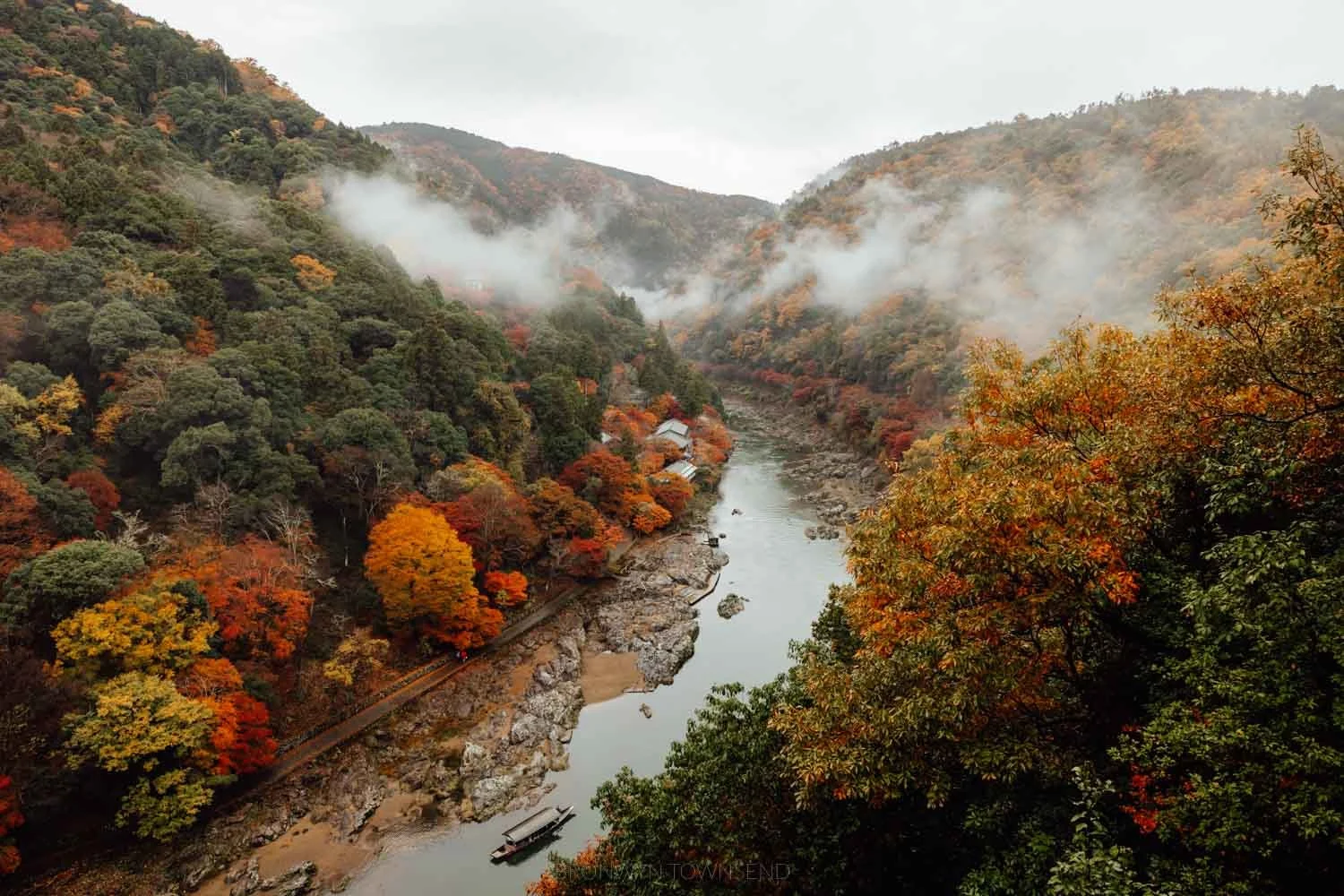
Arashiyama (嵐山), Kyoto’s scenic western district, enchants visitors with the iconic Togetsukyo Bridge, peaceful bamboo groves, and historic Tenryuji Temple. Ideal during cherry blossom and autumn foliage seasons, the area offers riverside boat rides, traditional shops, and temples tucked into wooded hills. Wander through Sagano’s charming countryside for a taste of rural Kyoto. With its mix of natural beauty, cultural heritage, and seasonal colors, Arashiyama is a must-visit destination for travelers.
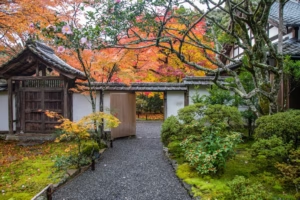
Saihoji (西芳寺), famously known as Kokedera or the Moss Temple, is a UNESCO World Heritage Site in Kyoto. Renowned for its lush gardens featuring over 120 moss varieties, the temple showcases a serene Zen landscape designed by priest Muso Soseki in 1339. Originally Prince Shotoku’s villa, Kokedera requires advance reservations to visit. Strolling through its moss-covered paths, visitors experience a peaceful, timeless garden that has deeply influenced Japanese garden design.

Kyoto
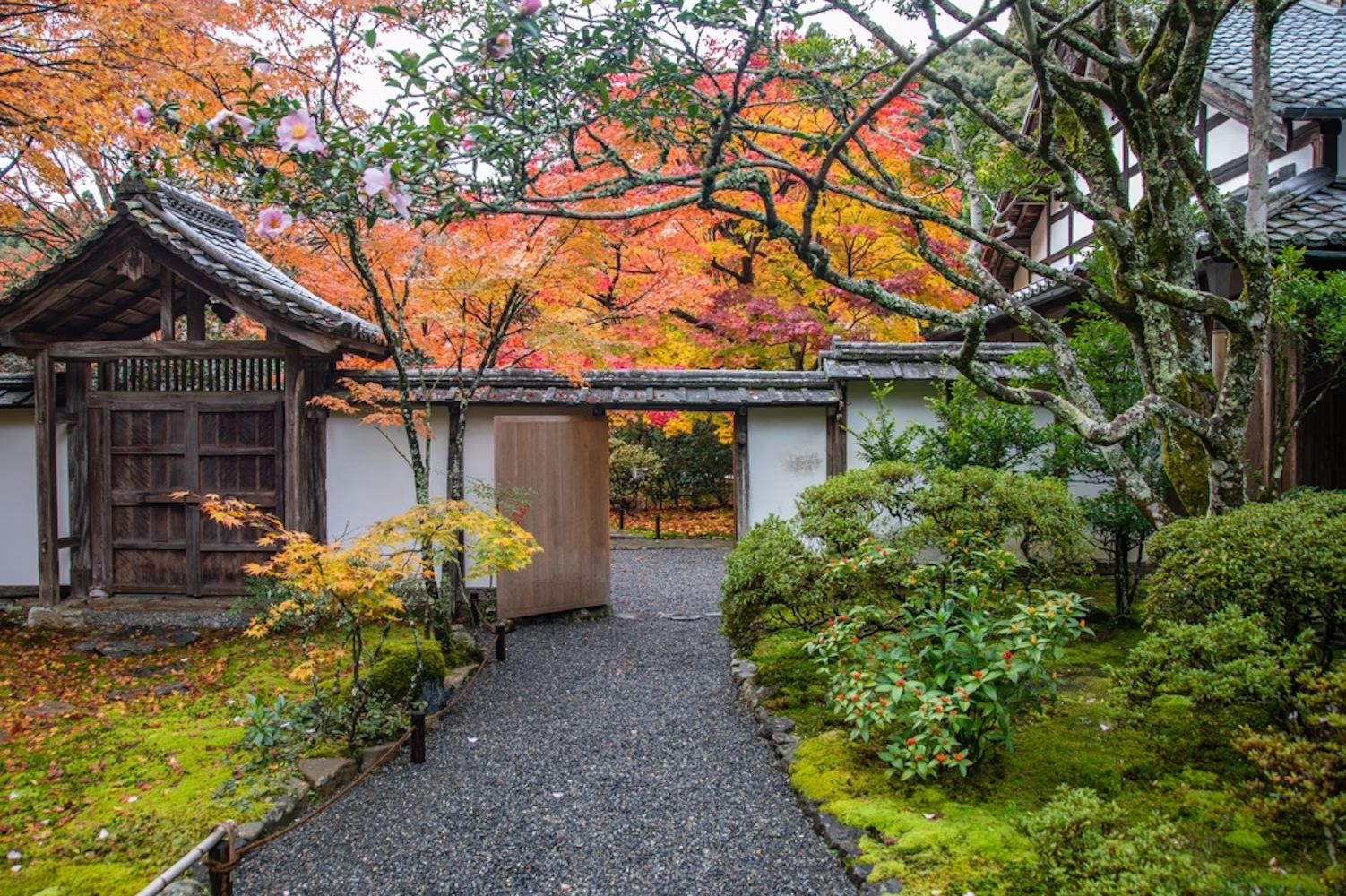
Enjoy timeless beauty in Kyoto, Japan’s cultural heart, filled with ancient temples, serene gardens, and traditional streets.
Kyoto
Enjoy timeless beauty in Kyoto, Japan’s cultural heart, filled with ancient temples, serene gardens, and traditional streets.