- Home
- Nikko
Nikko Japan
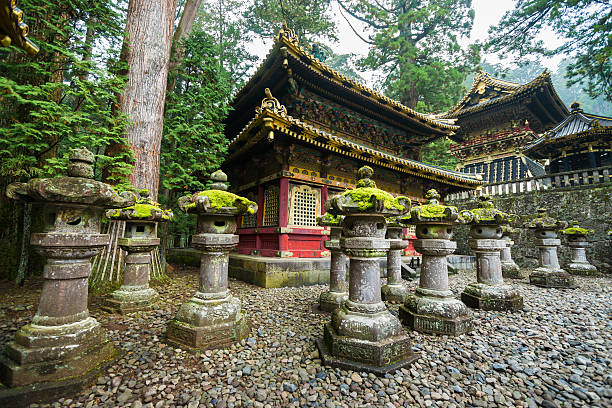
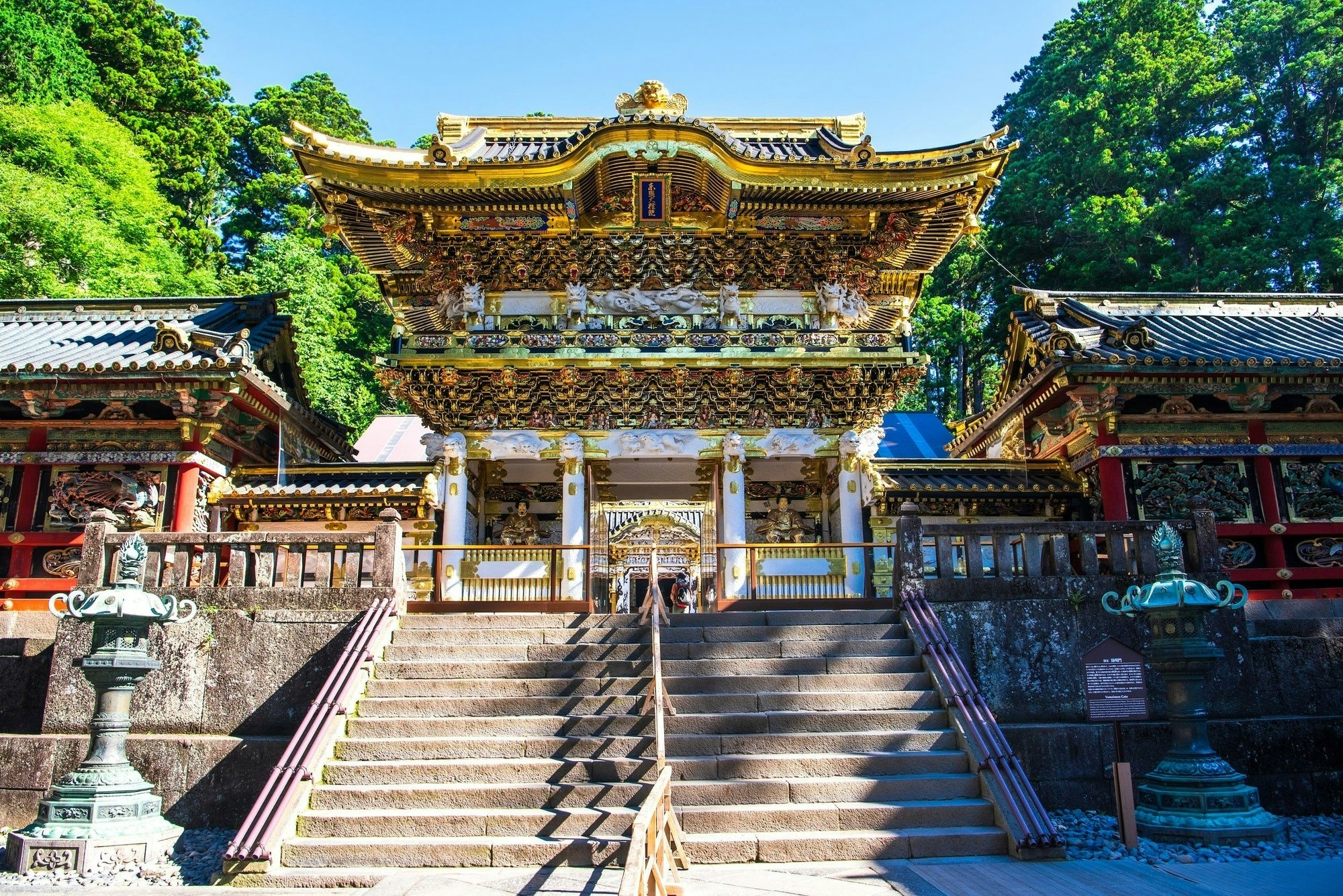
Site of Nikko Toshogu, Ieyasu’s mausoleum.
Nikko
Giving You The Best Services Experiences
Overview
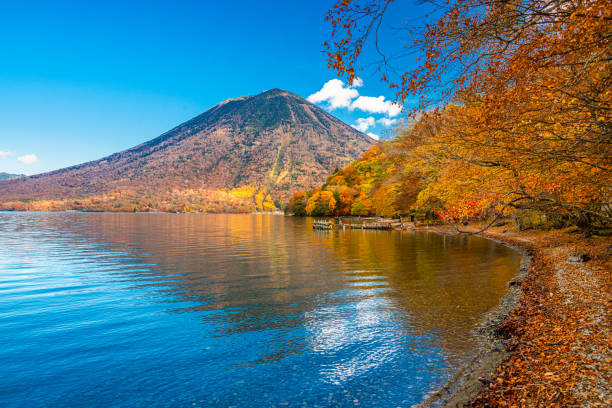
Nikko (日光) nestled at the entrance to Nikko National Park, is a mountain town where spiritual heritage meets natural splendor. The town’s centerpiece, Toshogu Shrine, is Japan’s most ornate, honoring Tokugawa Ieyasu and drawing pilgrims for centuries. Visitors can explore pristine lakes, cascading waterfalls, hot springs, and scenic hiking trails. In autumn, vibrant koyo colors peak around Lake Chuzenji. Situated along Japan’s Romantic Road, Nikko offers a perfect blend of cultural immersion, historic architecture, and outdoor adventure for travelers seeking both beauty and tradition.

1. Toshogu Shrine

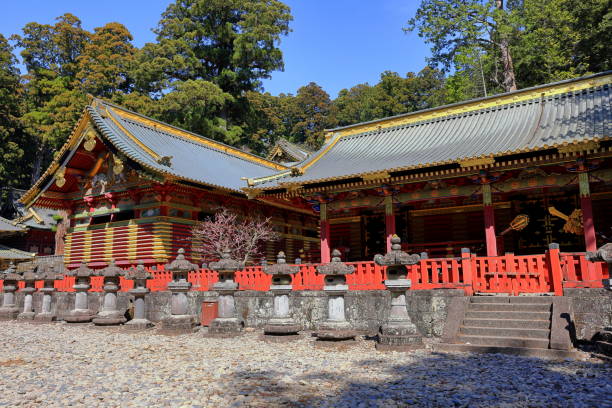
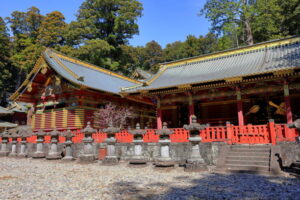
Toshogu Shrine (東照宮) in Nikko is Japan’s lavish memorial to Tokugawa Ieyasu, the shogunate founder. Built in the 17th century, the shrine captivates visitors with intricate wood carvings, vibrant gold leaf, and richly decorated structures. Set within a peaceful forest, Toshogu uniquely blends Shinto and Buddhist elements, a rare fusion preserved despite Japan’s later religious reforms. Its ornate architecture and spiritual significance make it a must-visit cultural and historical landmark.
2. Rinnoji Temple

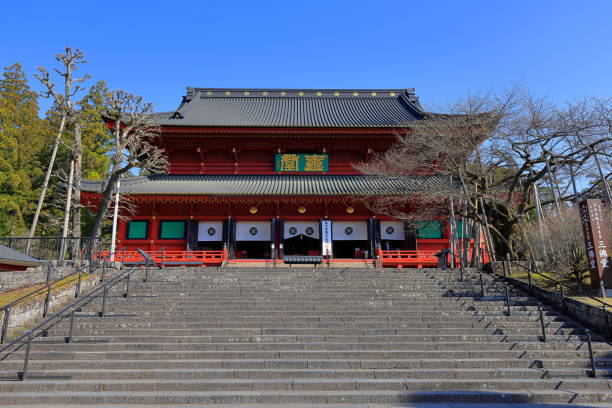
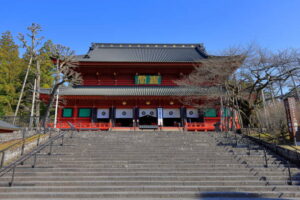
Rinnoji Temple (輪王寺), Nikko’s main Buddhist temple, was founded in the 8th century by monk Shodo Shonin. Its Sanbutsudo hall features three stunning gold-lacquered statues representing Nikko’s sacred mountains. Visitors can explore the temple’s treasure house, showcasing historical artifacts, then wander Shoyoen Garden, renowned for vibrant autumn foliage peaking in early November. Blending spiritual heritage with natural beauty, Rinnoji offers an unforgettable experience for travelers seeking culture, history, and scenic charm in Nikko.
3. Iemitsu Mausoleum (Taiyuin)

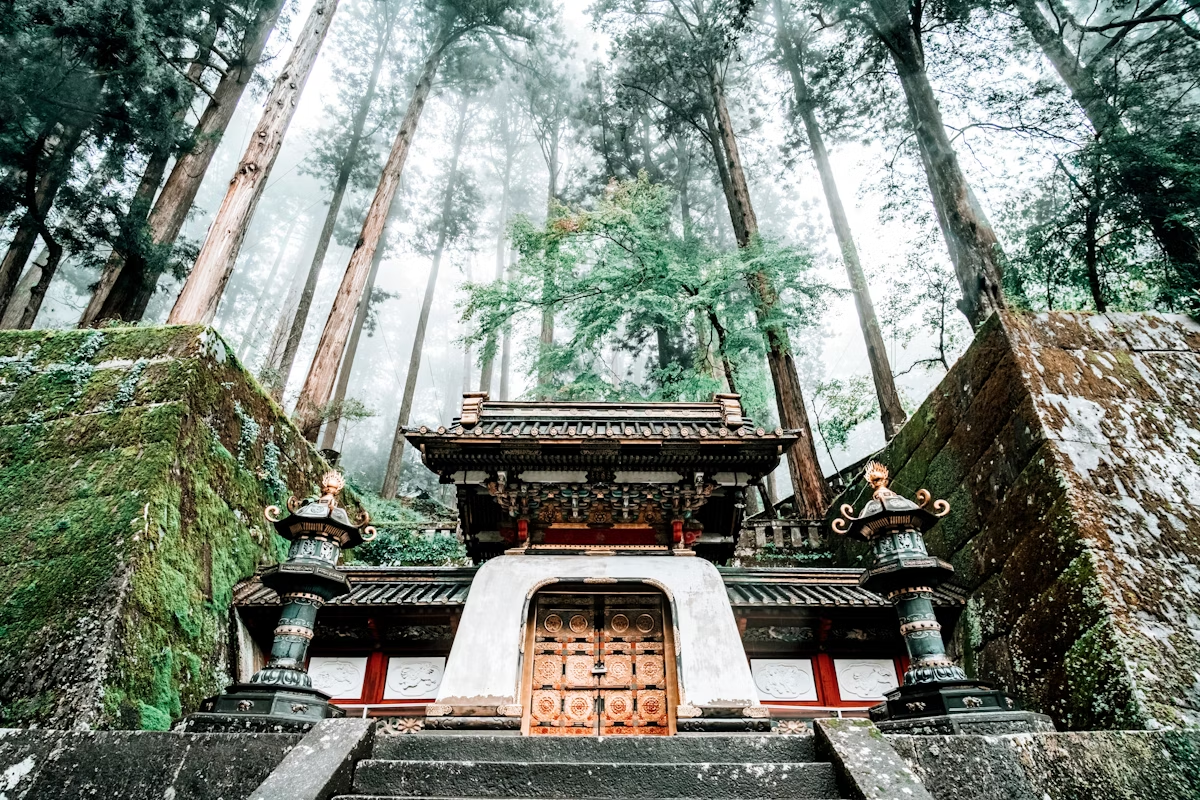
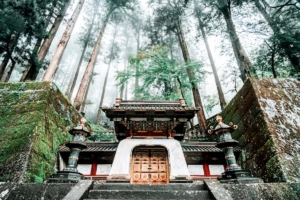
Taiyuin Mausoleum (大猷院) dedicated to Tokugawa Iemitsu, Japan’s third shogun, sits near Toshogu Shrine and honors his legacy with understated elegance. This historical site uniquely blends Buddhist and Shinto architecture, reflecting Japan’s spiritual heritage. Visitors can admire its striking vermillion gates, intricate guardian sculptures, and the ornate prayer hall, home to a magnificent white dragon and gilded decorations. Taiyuin offers a serene, culturally rich experience for history enthusiasts exploring Nikko.
4. Kanmangafuchi Abyss

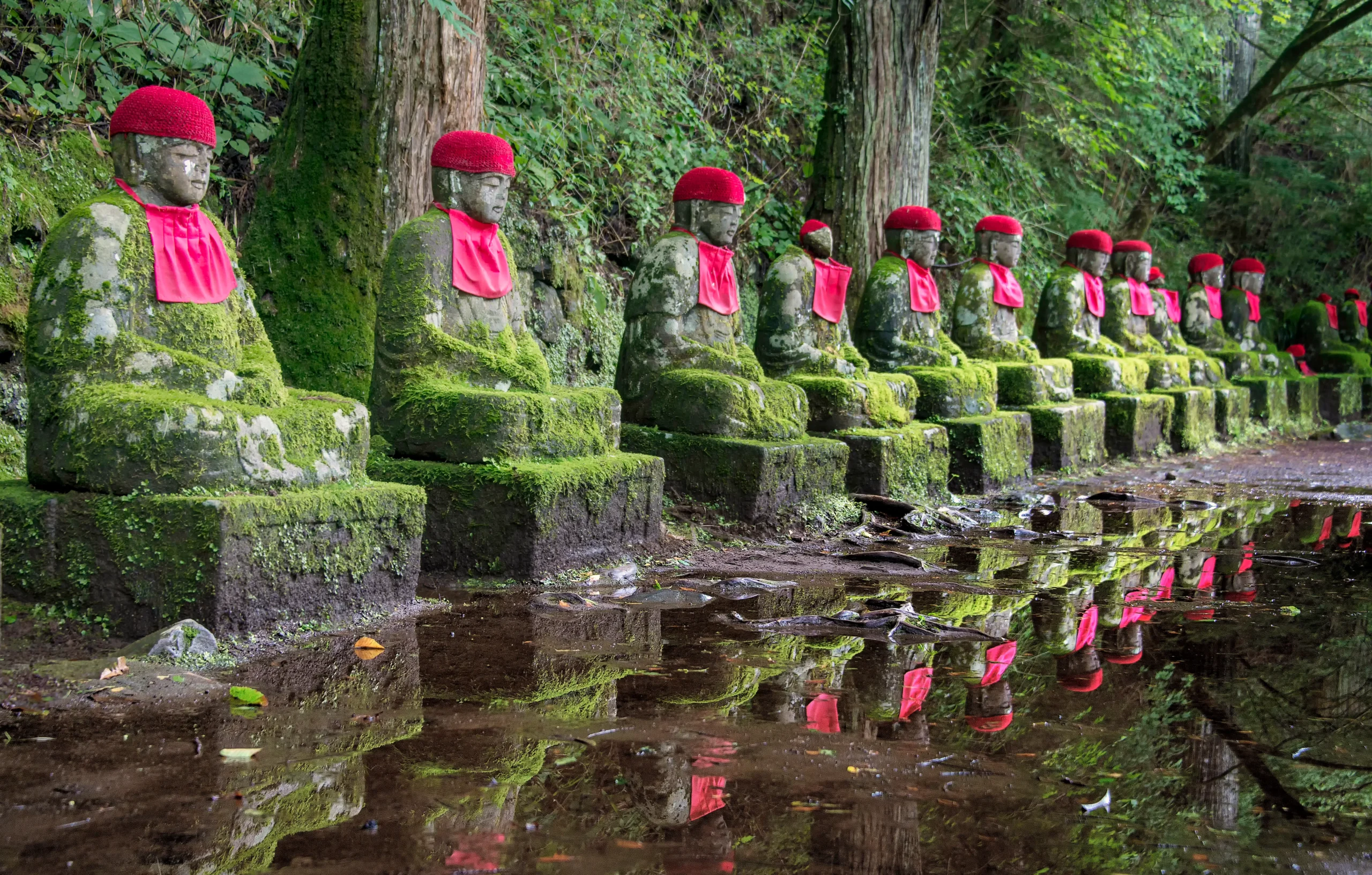
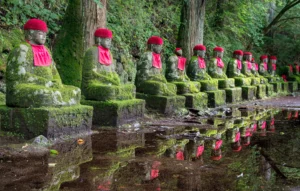
Kanmangafuchi Abyss (憾満ヶ淵) near Nikko, is a breathtaking gorge formed by Mount Nantai’s eruption. A serene walking trail winds along the river, offering peaceful views for nature lovers. Along the path, around 70 Jizo statues—also known as Bake Jizo or Ghost Jizo—stand silently, gazing toward the Nikko Botanical Garden. This enchanting site blends natural beauty with spiritual charm, making Kanmangafuchi Abyss a must-visit destination for travelers seeking both scenery and cultural heritage.
5. Futarasan Shrine

Futarasan Shrine (二荒山神社) founded in 782, is a historic Nikko sanctuary dedicated to three sacred mountains. Visitors can freely explore its main grounds, featuring traditional halls, sacred trees, and serene pathways. For a closer view, the paid garden offers a peaceful retreat. Just a short walk away lies the iconic Shinkyo Bridge, while two additional mountain shrines in Okunikko—one atop Mount Nantai and another by Lake Chuzenji—extend the spiritual journey.
6. Tamozawa Imperial Villa

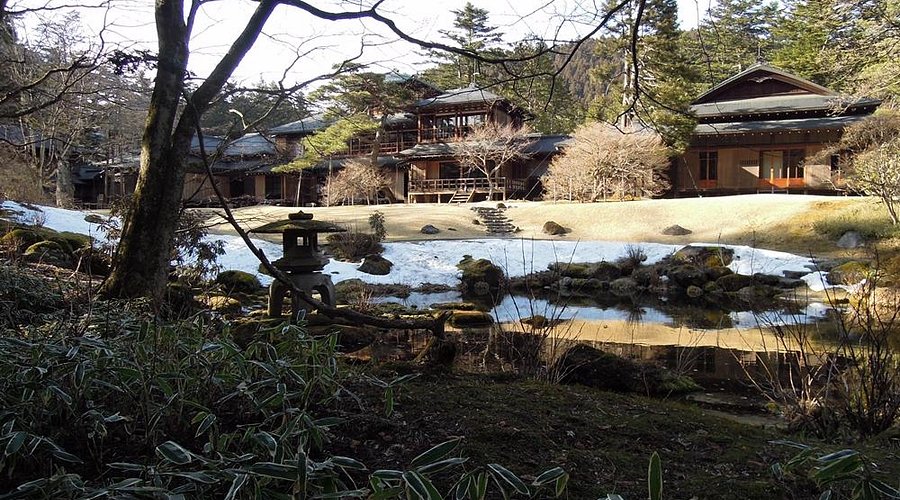
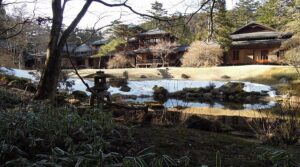
Tamozawa Imperial Villa (田母沢御用邸) in Nikko is a magnificent 106-room estate blending Edo and Meiji Period architecture. Originally built in 1899 as a Tokugawa family residence, it later served as a temporary Imperial Palace and summer retreat. One of Japan’s largest wooden buildings, the villa showcases a unique fusion of traditional Japanese tatami rooms and Western-style interiors. Fully renovated, it reopened to the public in 2000, offering visitors a captivating glimpse into imperial history and design.
7. Shinkyo Bridge

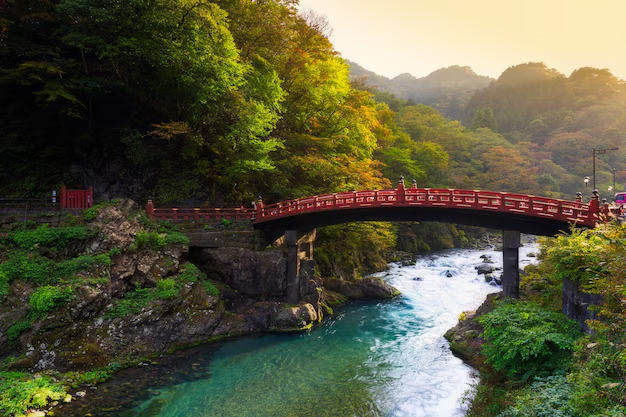
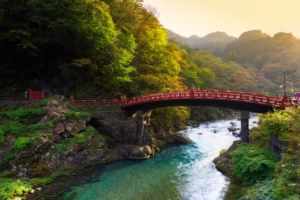
Shinkyo Bridge (神橋) the “sacred bridge” at Nikko’s shrine entrance, is celebrated as one of Japan’s finest bridges alongside Iwakuni’s Kintaikyo and Yamanashi’s Saruhashi. The current structure dates to 1636, though a bridge has marked this spot for centuries. After extensive renovations in the 1990s and 2000s, visitors can now cross this iconic wooden landmark for a small fee, enjoying its striking vermillion arches and scenic surroundings.
8. Nikko Botanical Garden

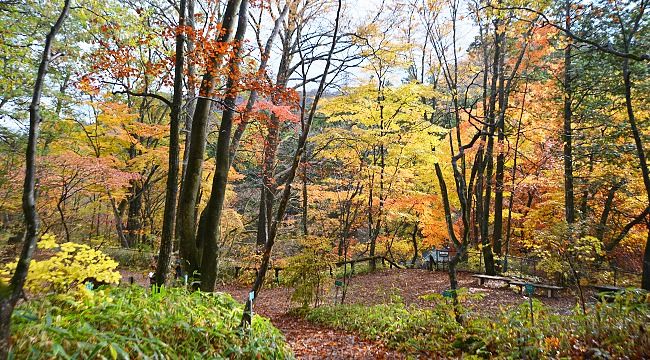
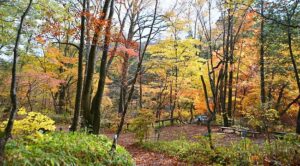
Nikko Botanical Garden (日光植物園) maintained by the University of Tokyo, is a serene 1902-established site showcasing over 1,500 plant species and 2,200 individual plants. Designed for the study of alpine plants, it features extensive walking paths through labeled trees, shrubs, and flowers from across Japan. Visitors enjoy a peaceful stroll while observing unique alpine varieties and scenic views near Kanmangafuchi Abyss, making the garden a must-visit destination for nature lovers and botanical enthusiasts in Nikko.
9. Kegon Waterfall

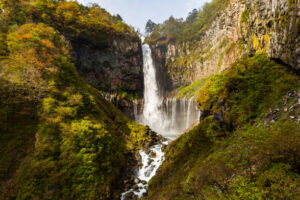
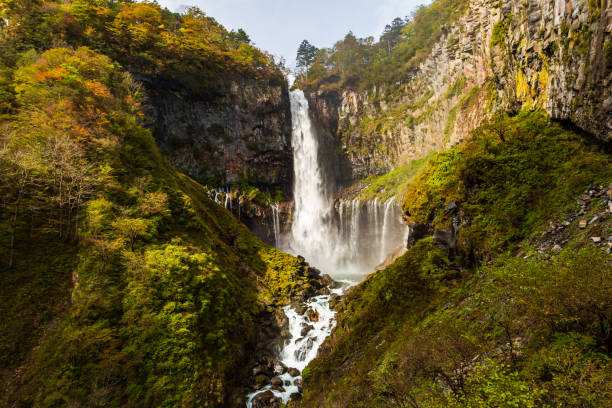
Kegon Waterfall (華厳の滝) one of Japan’s most beautiful waterfalls, plunges nearly 100 meters from Lake Chuzenji in Nikko. Visitors can admire its beauty from a free observation deck or take a 100-meter elevator to the paid platform at the base for a closer view. Surrounded by vibrant autumn foliage in October, the waterfall is equally stunning in winter when ice forms along the cliffs. Akechidaira Observatory offers sweeping panoramic views via ropeway access.
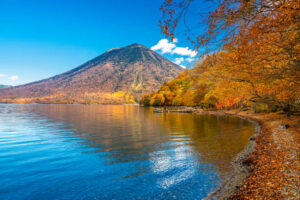
10. Lake Chuzenjiko


Nikko
Discover Nikko’s stunning natural beauty, historic UNESCO shrines and temples, cascading waterfalls, and scenic mountain landscapes perfect for culture and nature lovers alike.
Recomended itineraries

Nikko
Discover Nikko’s stunning natural beauty, historic UNESCO shrines and temples, cascading waterfalls, and scenic mountain landscapes perfect for culture and nature lovers alike.
Links and Resources
Find Out The Best Travel Choice in Japan
Discover the most incredible travel experiences across Japan with Diexplore. Whether you’re seeking luxury city tours, serene nature retreats, or authentic cultural adventures, we help you find the perfect travel option tailored to your interests. Explore Japan your way — with comfort, confidence, and unforgettable moments.
Accomodation
Activity
Popular list
Before flying to Japan, it’s a good idea to explore helpful websites that can make your trip smooth and enjoyable. Start with Japan-Guide.com for travel tips and itineraries, and Hyperdia or Navitime Japan to plan your train routes efficiently. For cultural insights, visit Japan National Tourism Organization (JNTO) and Tokyo Cheapo for budget-friendly advice. Google Maps and Yelp Japan are great for finding restaurants and attractions, while TripAdvisor helps you read real traveler reviews. Lastly, check Weather.com to pack appropriately. Reading these sites will ensure you’re fully prepared for your Japanese adventure.
Before you fly to Japan, make sure you have all the essential travel documents ready. You’ll need a valid passport with at least six months of validity and a return or onward flight ticket. Depending on your nationality, you may also need a tourist visa, so check the latest entry requirements in advance. Keep copies of your hotel bookings, travel insurance, and emergency contact details. It’s also smart to have a digital backup of all documents on your phone or cloud storage for easy access during your trip.
Planning your Japan itinerary is key to making the most of your adventure. Start by listing the cities and attractions you want to visit — such as Tokyo, Kyoto, and Osaka — and decide how many days to spend in each. Group nearby destinations together to save travel time, and book transportation like JR Pass or local trains in advance. Be sure to include rest days or flexible time for spontaneous exploration. Prioritize must-see spots, but keep your schedule balanced so you can truly enjoy Japan’s beauty, culture, and cuisine without feeling rushed.
Before flying to Japan, it’s a good idea to explore helpful websites that can make your trip smooth and enjoyable. Start with Japan-Guide.com for travel tips and itineraries, and Hyperdia or Navitime Japan to plan your train routes efficiently. For cultural insights, visit Japan National Tourism Organization (JNTO) and Tokyo Cheapo for budget-friendly advice. Google Maps and Yelp Japan are great for finding restaurants and attractions, while TripAdvisor helps you read real traveler reviews. Lastly, check Weather.com to pack appropriately. Reading these sites will ensure you’re fully prepared for your Japanese adventure.
Planning your Japan trip starts with setting the right budget. On average, a comfortable daily budget ranges from $100–$150, covering meals, transport, and attractions. Budget travelers can manage with around $60–$80 per day by choosing hostels, local eateries, and regional trains. For a more luxurious experience, expect to spend $200 or more daily on fine dining and premium stays. Always include extra funds for shopping, souvenirs, and emergency costs. With smart planning and clear budgeting, you can enjoy Japan’s beauty without worrying about overspending.
Diexplore is your ultimate guide to exploring Japan with confidence and excitement. From breathtaking destinations like Kyoto’s temples to Tokyo’s neon streets, we provide expert insights, travel tips, and curated tour packages that make your journey seamless. Our guides cover everything — visas, transportation, accommodation, culture, and cuisine — so you can plan your trip without stress. Whether you’re visiting Japan for the first time or returning to discover hidden gems, Diexplore helps you travel smarter, safer, and more meaningfully.
Get Closer With Us & Get Special Promo
Join the Diexplore community and unlock exclusive travel deals designed just for you! Stay connected with us to receive special promotions, early-bird tour discounts, and limited-time offers on our Japan travel packages. Whether you’re planning a solo trip, a honeymoon, or a family adventure, subscribing to our updates ensures you never miss out on exciting new destinations and budget-friendly opportunities. Follow us today and travel smarter with Diexplore!